
Dispatch No. 19
In Conversation with Ink Grade | Field Notes from Patagonia

In Conversation
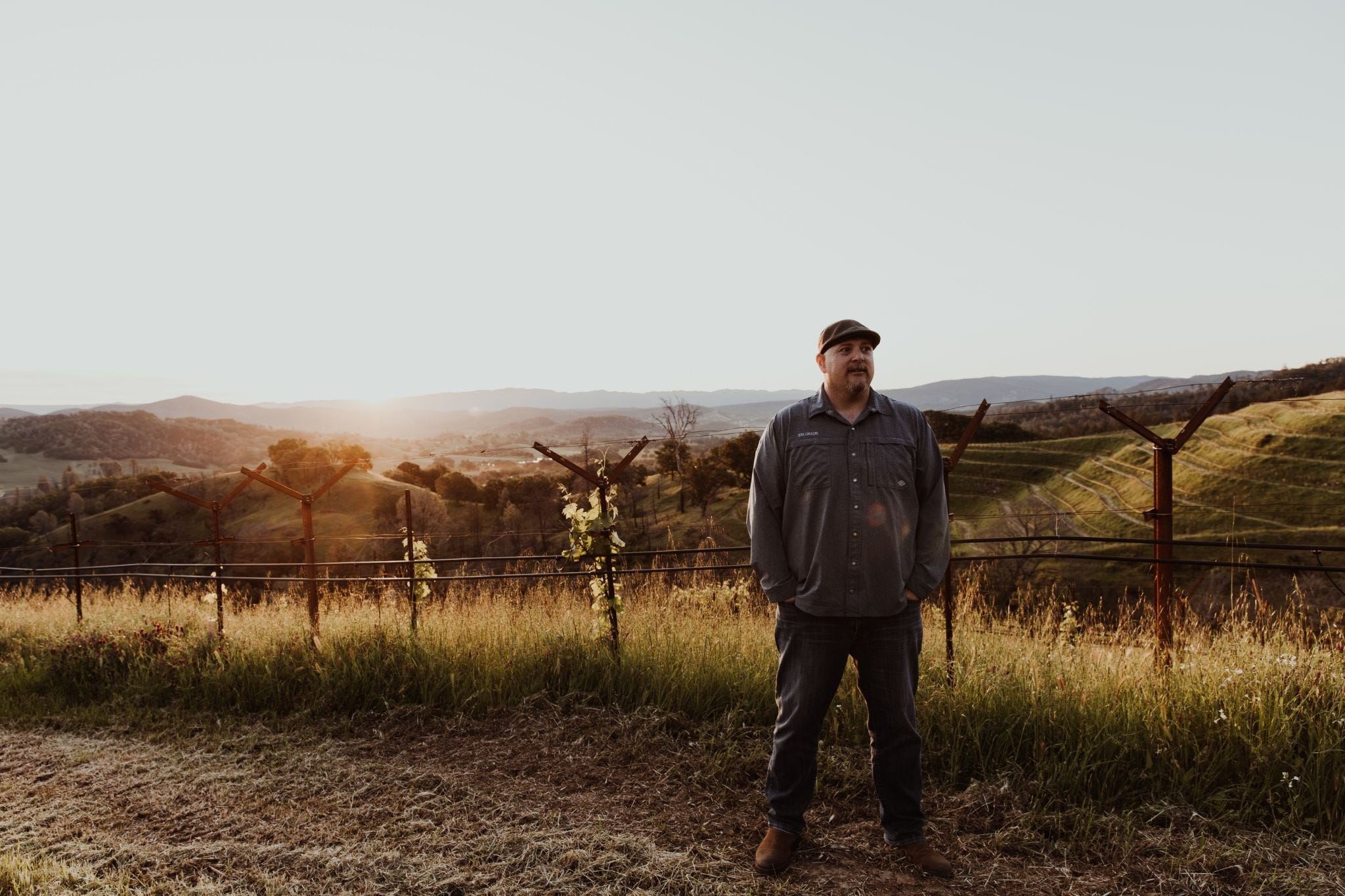
Few places in Napa Valley are as rugged or distinctive as Ink Grade Estate. Perched high on Howell Mountain, the winery is redefining mountain Cabernet through biodynamic farming, thoughtful restraint, and an unwavering commitment to patience. We sat down with Winemaker Matt Taylor to discuss the journey that led him to Ink Grade, why great wine begins long before the cellar, and how slowing down often produces the most memorable bottles.
What personally drew you to winemaking, and how did you become part of Ink Grade?
My family didn’t really drink wine, but one of my closest friends growing up came from a winemaking family, and his father owned a winery. I spent a lot of time with them, and some of my favorite memories were joining them on mushroom hunts, pig hunts, and other outdoor adventures, then gathering around the table afterward to enjoy the day’s bounty with a bottle of wine. Seeing how wine brought people together and became part of those shared experiences had a lasting impact on me.
By the time I was about 14 years old, I knew I wanted to become a winemaker. That realization set the course for everything that followed. As I gained experience and developed my own approach, my philosophy and style as a winemaker evolved, but the passion was there from the beginning.
As a third-generation Sonoma Coast native, I have always felt a strong connection to Northern California wine country. When Carlton [McCoy Jr.] approached me about returning to Napa to lead Ink Grade, I immediately saw the project’s seriousness and the clear stylistic vision behind it. It was something I genuinely believed in, and I knew it was an opportunity I wanted to be part of.
How has your relationship with wine changed since you first started?
My relationship with wine has evolved quite a bit over the years. At first, I was drawn to the lifestyle and culture surrounding it, but I always knew I wanted to work in wine professionally. As I began exploring more deeply, I encountered biodynamic wines while living with family in Switzerland and spending time in the bohemian corners of West Sonoma County. These were wines that kept finding their way back into my life, and they resonated with me on a level I had never experienced before. There was an energy to them that felt distinct and memorable, and that curiosity pushed me to dive much deeper into the craft.
My path took me through Spain, where I began formal wine studies and developed an appreciation for more oxidative winemaking styles. From there, I continued learning and working at wineries in Sonoma County and Burgundy, experiences that broadened my perspective and sharpened my understanding of what great wine could be.
Throughout it all, biodynamics and a connection to the land remained a constant thread. Early on, I was focused primarily on what was happening in the cellar, but over time, I found myself increasingly drawn to the farming side of the equation. The more I learned, the more I realized that the wines that moved me most often began with thoughtful stewardship of the vineyard. I became fascinated not just by the people making the wine, but by the people farming the land and growing the fruit. That shift in perspective ultimately shaped the way I approach winemaking today.
What sets Ink Grade apart from others in the industry and region, whether in process, service, or product offering?
There are certainly other wineries forging their own path and producing thoughtful wines, but Ink Grade stands apart because of the property itself. It is unlike anything else in Napa Valley. The estate spans roughly 750 acres on a mountainside, with vineyards ranging from about 750 feet to over 2,400 feet in elevation. Some sections sit on slopes with grades approaching 60%. It is an incredible place to experience in person, and the scale and terrain are difficult to fully appreciate until you are standing there. Combined with the volcanic mountain soils, it creates a truly unique growing environment.
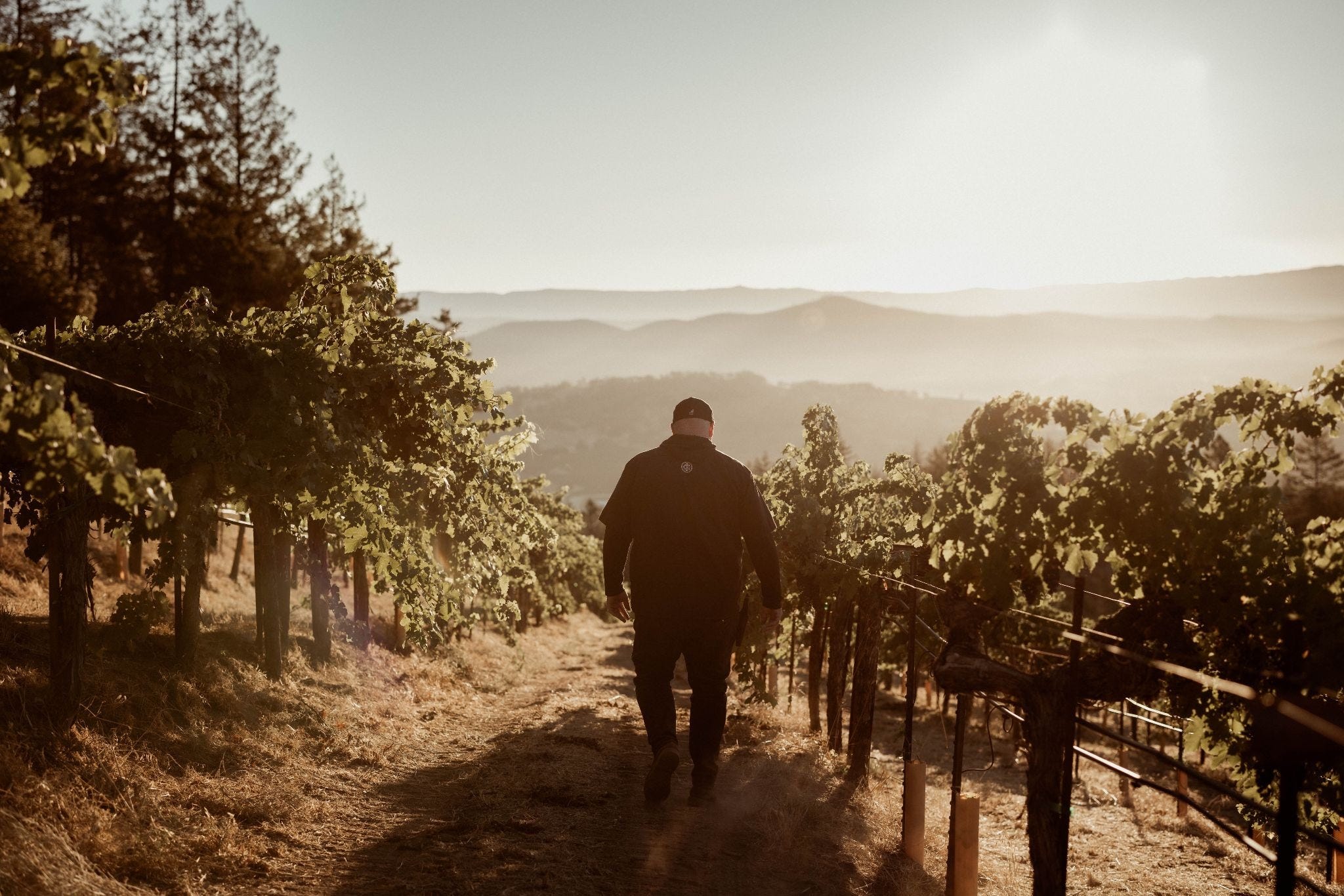
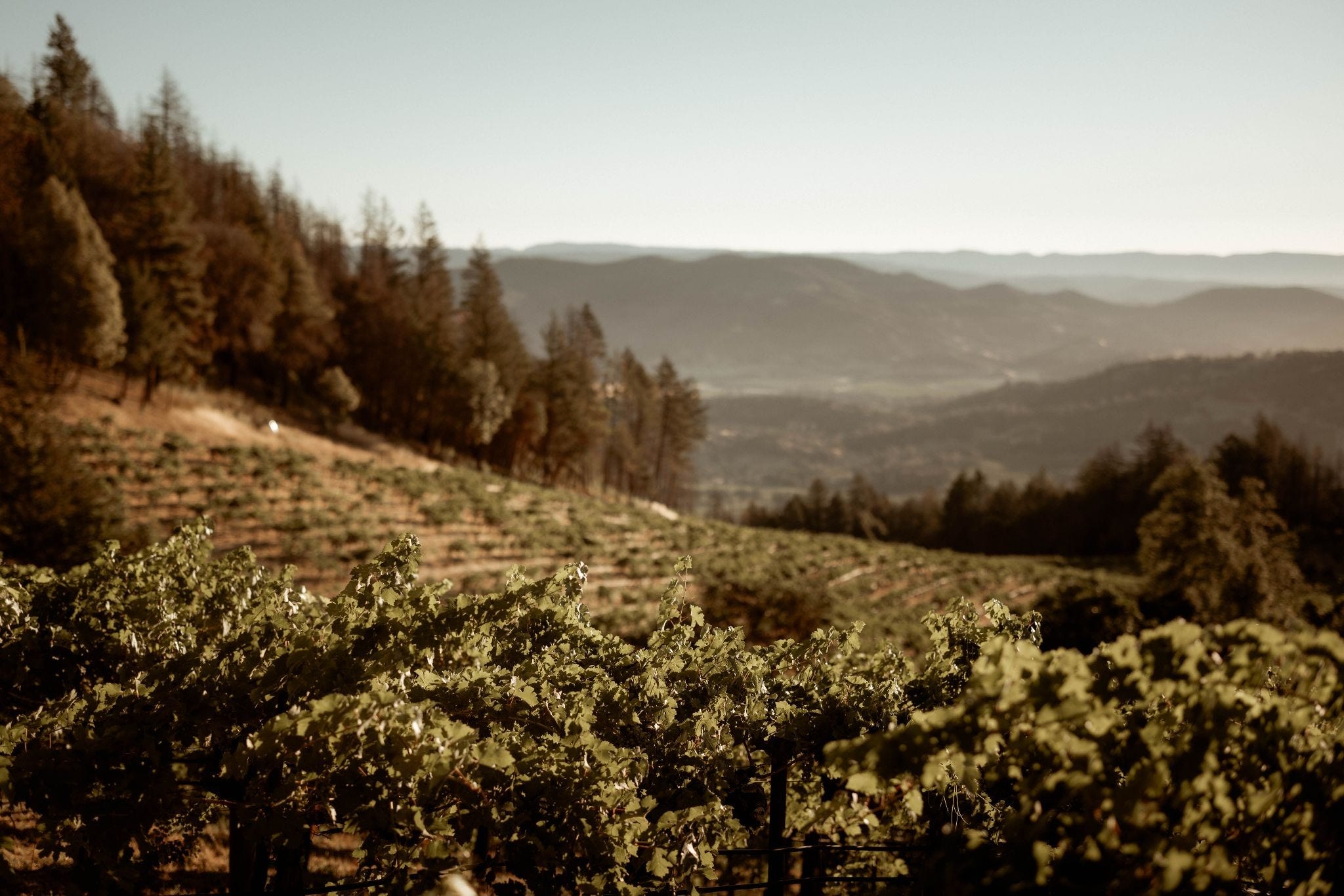
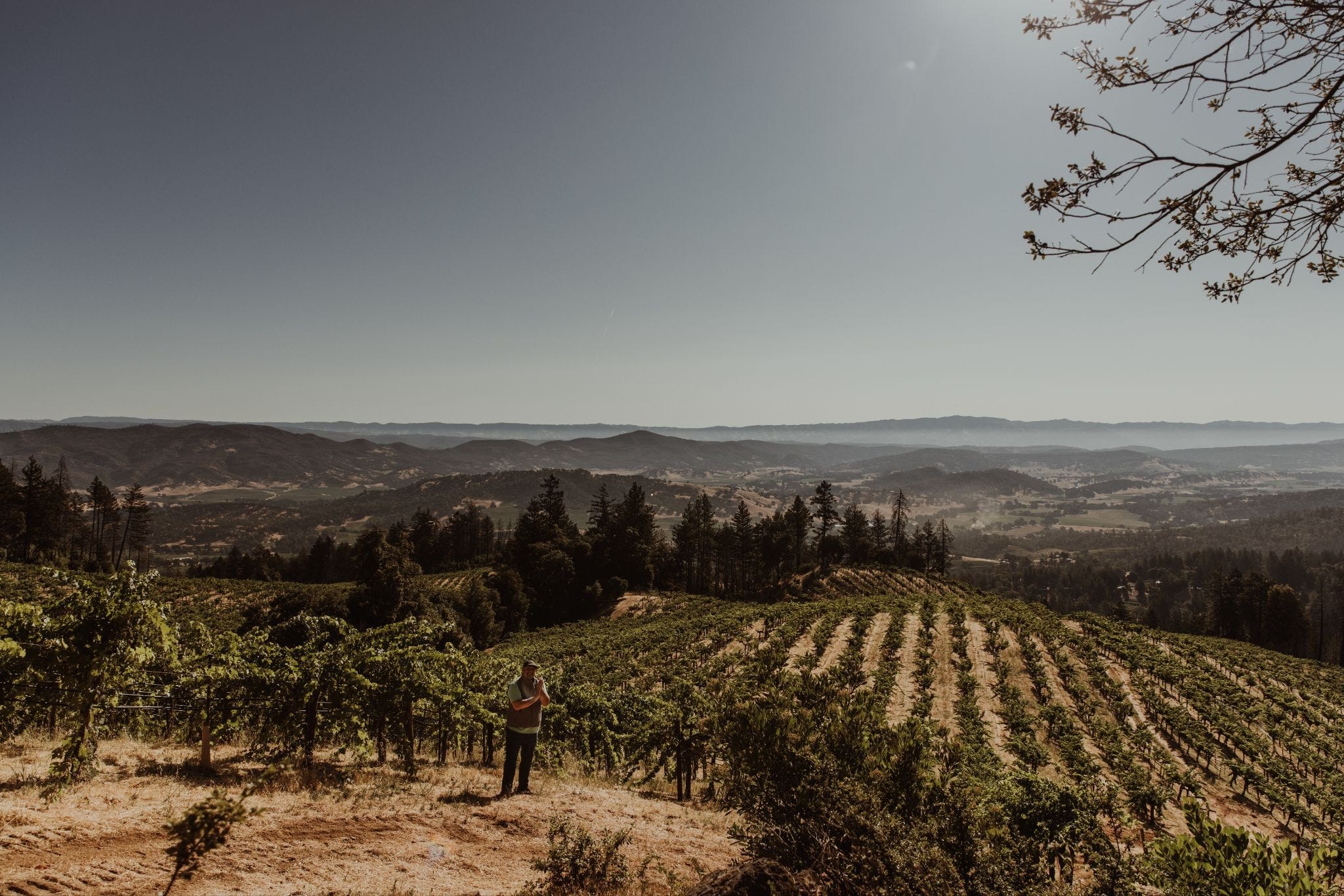
What also sets us apart is our stylistic approach. Historically, many wines from this part of Napa have leaned toward a riper, richer, and more heavily oaked style. That is not the path we have chosen. Instead, we draw inspiration from the classic Napa wines of the ‘60s and ‘70s. We focus on lower alcohol levels, indigenous yeast fermentations, restrained oak usage, and longer aging programs that allow the wines to develop naturally over time.
The result is a style that feels both old-world in philosophy and deeply expressive of this mountain terroir. The vineyard plantings themselves reflect that mindset, with a more rugged and traditional approach that prioritizes site expression over sheer power. What I admire most is that Carlton embraced this vision from the beginning. It would have been easy to pursue a more commercial style aimed at maximizing short-term returns, but instead, we committed to creating wines that reflect the land and are built to age gracefully. That commitment is a big part of what makes Ink Grade special.
What does “quality” actually mean to you when you’re deciding whether a wine is ready for consumption?
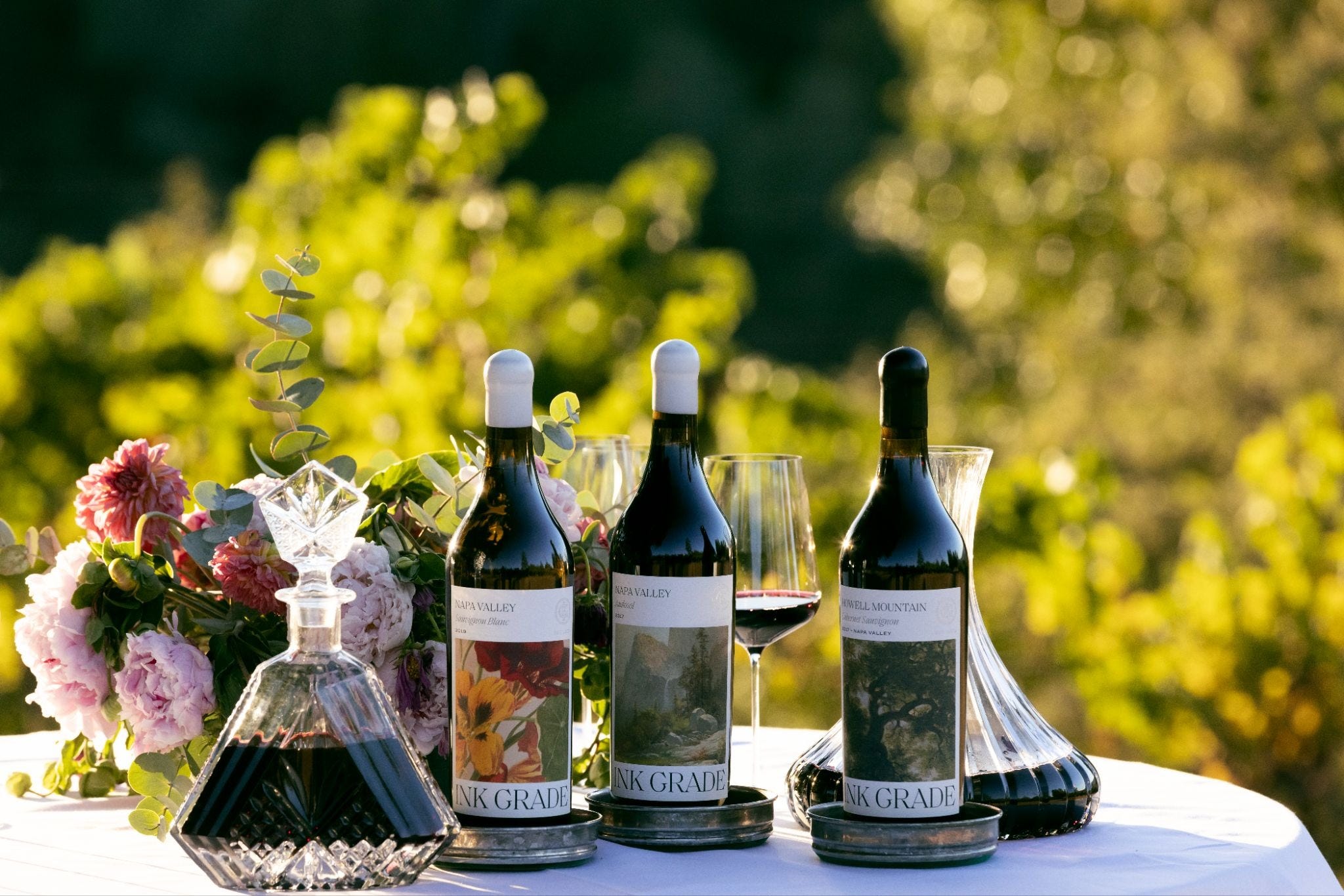
For me, quality is closely tied to patience. One of the things I appreciate most about what we’re making at Ink Grade is that we hold our wines before releasing them. We only recently released our 2021 Napa Cabernet Sauvignon and 2022 Sauvignon Blanc, which is increasingly rare in today’s market. Many wineries are under pressure to release wines as quickly as possible to meet demand, and as a result, those wines are often consumed before they have had a chance to fully develop. We take a different approach. We are making wines with longevity in mind, and I often encourage people to double decant them or even open them a day before serving. These wines love oxygen and continue to evolve beautifully over several days.
Quality is always a moving target because every winemaker defines it a little differently. For me, it means creating wines that are balanced, expressive of their site, and capable of aging gracefully. It also means having the discipline to release them when they are truly ready, not simply when the market demands it. Having a team that is committed to that philosophy is incredibly rare, and I believe it puts us on a very exciting path.
What details (e.g., setting, food, music) do you believe pair best with Ink Grade wine?
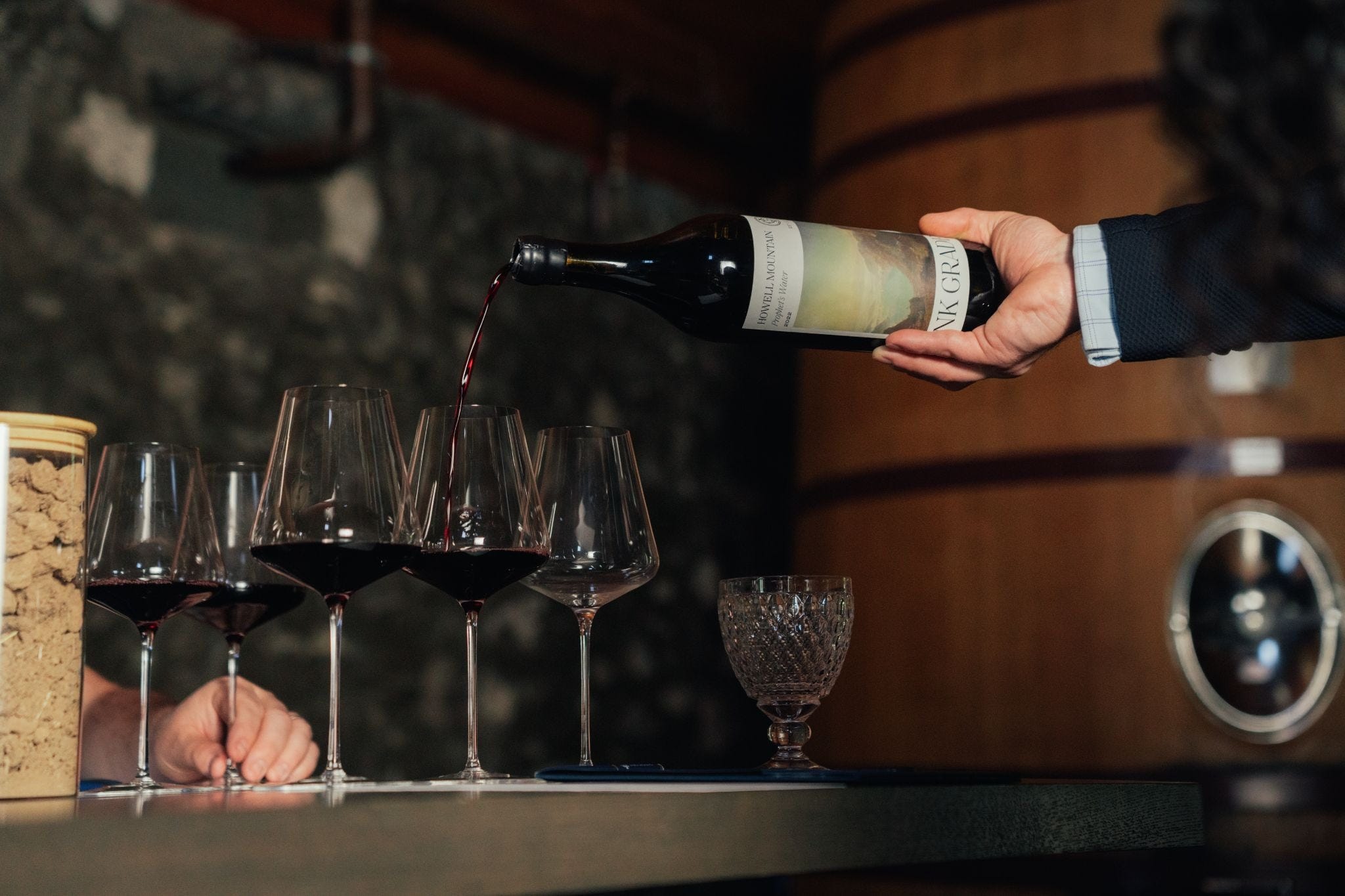
Of course, everyone enjoys wine differently, but for me, Ink Grade wines are best experienced in a relaxed setting. I tend to gravitate toward subtle music, often laid-back like reggae, and toward an environment with no pressure to rush. Whether with close friends, family, or even just a small gathering, I think these wines shine when people can slow down and be present.
Food can certainly be part of the experience, but it is not essential. What matters most is the company and the atmosphere. If everything is moving too quickly, I do not enjoy the wine as much. I prefer intimate moments where people can sit, talk, and let the wine evolve over time. That feels especially fitting for Ink Grade because these wines were made with patience in mind. They reward curiosity and attention, and I think they are best appreciated when people slow down, savor the moment, and enjoy the experience together.
We love that you offer Allocation Membership packages. Can you tell us more about these?
One of the things I enjoy most about our Allocation Membership program is that it gives members access to wines that are not available through wholesale channels. We bottle a number of single-parcel wines exclusively for the membership, allowing people to experience parts of the property that would otherwise never leave the estate.
Because of the way our land is laid out across the mountain, these wines offer a fascinating look at how site and elevation influence character. Members can taste wines from distinct vineyard blocks and see firsthand how different areas of the property express themselves in the glass.
Elevation plays a particularly important role. On Howell Mountain, vineyards above 1,400 feet can carry the Howell Mountain designation, while vineyards just below that threshold must be labeled Napa Valley, even if they are only a few feet apart. As a result, our different membership tiers allow members to explore wines from a range of elevations and vineyard sites.
What makes that experience so rewarding is seeing how the fruit changes as you climb higher up the mountain. Higher-elevation sites tend to produce smaller berries with greater concentration and intensity, while the lower-elevation wines offer their own sense of balance and complexity. They are all high-quality wines, but the Allocation Membership allows people to experience the full spectrum of what this remarkable property offers.
Any upcoming projects for Ink Grade that you’re open to sharing?
One of the projects I’m most excited about right now is the continued development and release of our single-parcel wines. When we first took over the vineyard, the various blocks across the property were already mapped out and identified. As we began working with the fruit and getting to know the site more intimately, Carlton encouraged us to give these areas names so we could better recognize and discuss the distinct personalities of each parcel.
Originally, those names were intended for internal use as we evaluated the wines and tracked their development. Over time, however, it became clear that these sites were producing wines with such unique character that they deserved to stand on their own. As a result, we are now beginning to bottle and release these vineyard-designated wines under those parcel names.
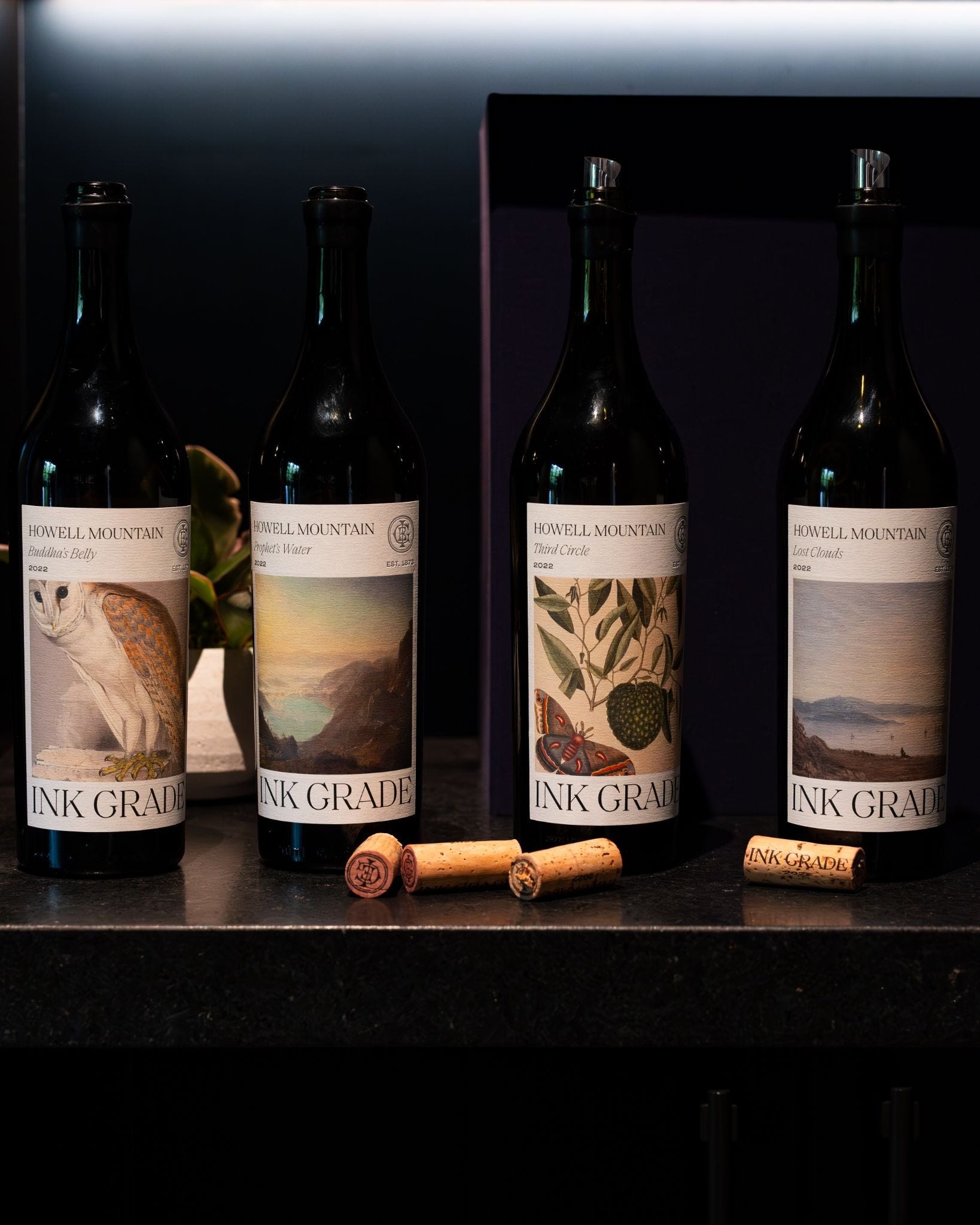
The upcoming releases include four Cabernet Sauvignons (Buddha’s Belly, Prophet’s Water, Third Circle, and 3’s Hollow) and one Merlot (Lost Clouds), each sourced from a specific section of the estate. What makes them especially exciting is that they all come from Howell Mountain, are grown in 100% volcanic soils, and are farmed biodynamically. Together, they offer a deeper look into the incredible diversity across the property and provide a rare opportunity to explore how subtle differences in the site can shape a wine’s character.
If you could share one of your bottles of wine with anyone (living or dead) today, who would it be and why?
If I could share a bottle of wine with anyone, it would be my grandfather. We all have people in our lives who leave a lasting impression on us, and he was certainly one of those people for me. He had a fascinating life and was deeply connected to the community where I grew up. One of my favorite family stories is that he helped negotiate with Alfred Hitchcock when The Birds was being filmed in the area, and he even ended up with a small speaking role in the movie! He was an incredible influence on me, but unfortunately, he passed away when I was still young. Even so, so much of what I do today is shaped by the values and perspective he instilled in me.
I’m not sure exactly which bottle of Ink Grade I would open, but what would matter most is sharing it with him here, where I was born and raised. I would love the opportunity to show him what we’ve built, share the wines from this land, and connect him to the energy and character of a region that means so much to both of us. I think that would be a very special moment.
What’s the best glass/bottle of wine you had and the scene in which you had it (location, meal, etc.)?
One of the most memorable wine experiences I’ve ever had took place in the Loire Valley with Richard Leroy, who many people consider the “pope” of Chenin Blanc. Richard became an important mentor to me and someone whose approach to winemaking I deeply admire. He has always pursued the highest possible level of quality, and his commitment to the craft left a lasting impression on me.
During one visit, we spent time tasting together, and he pulled out two bottles from the same vintage. One was from a period when he was beginning to move away from sulfur additions, while the other reflected his more traditional approach. Both wines were around twelve years old, and he had me taste them blind.
It was a real “aha!” moment. Experiencing those wines side by side challenged a lot of my assumptions and opened my eyes to new possibilities in winemaking. What made the experience even more meaningful was that he also tasted one of my wines. Afterward, he told me that he didn’t think I needed to add sulfur because the wine already had everything it needed. As a young winemaker, hearing that from someone you respect so deeply is incredibly moving. It was one of those rare moments that stay with you forever and help shape the path you take from that point forward.
The Sunday Reserve is about slowing down, noticing details, and enjoying what’s well-crafted. How do those ideas show up in your daily life?
I think those ideas show up in my life through the evolution of my craft. When you’re first learning something, you’re often in a “copy-and-paste” phase. You’re studying others, following established methods, and trying to understand why things are done a certain way. That was certainly true for me early in my winemaking career.
As time goes on, you begin to experiment, trust your instincts, and develop your own voice. For me, this stage of life and winemaking feels different because the wines I’m creating today are truly my own. They reflect my experiences, my philosophy, and the lessons I’ve gathered along the way rather than simply following someone else’s path.
Slowing down has also become important in a different way. I now find myself in a position similar to that of some of my mentors. People like Richard Leroy were generous with their time and knowledge, and those moments had a profound impact on me. Today, I enjoy creating space for younger winemakers to learn, experiment, and make decisions for themselves.
Part of craftsmanship is knowing when to step forward, but part of it is also knowing when to step back. I try to give others the opportunity to develop their own instincts and find their own path, just as my mentors did for me. There is something deeply rewarding about passing along what you’ve learned and helping someone else discover their own relationship with the craft.
What’s something well-made that you’ve owned for years and refuse to replace?
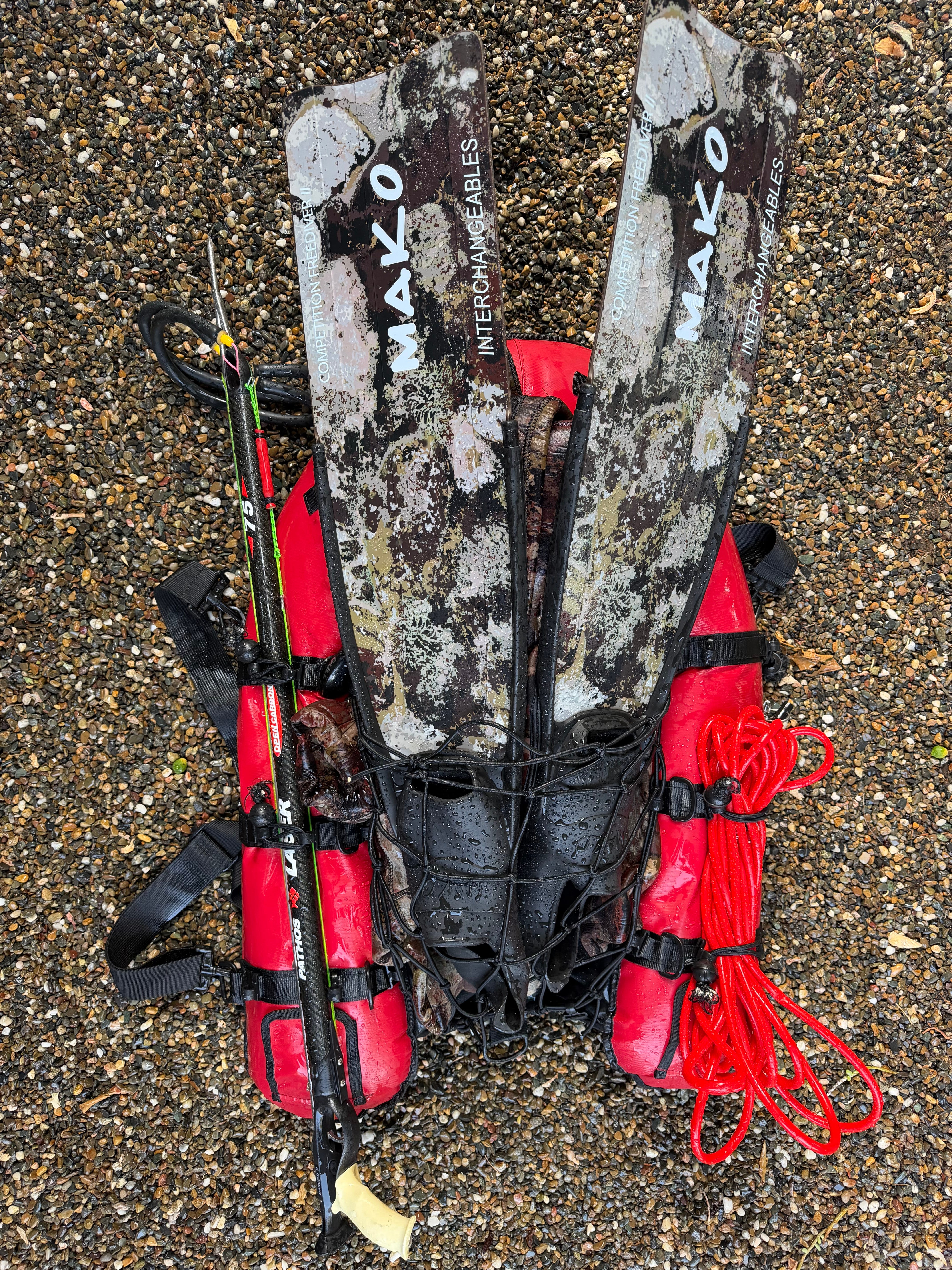
For me, it’s probably my spearfishing and fly-fishing gear. I’ve had certain pieces for years, and I have no interest in replacing them. Part of that is because they’re well-made, but it’s also because they’ve been with me through so many experiences and adventures over time.
I spend a lot of time in nature, whether that’s on the water, fly-fishing, free diving, or spearfishing. Being in the ocean is one of the places where I feel most at home, so I take great care of the gear that allows me to enjoy those pursuits. Everything is meticulously maintained, cleaned, and looked after because I rely on it and respect what it was built to do.
There’s something satisfying about owning quality equipment that lasts. Rather than constantly replacing things, I’d much rather invest in something well-crafted and care for it over the long term. In many ways, that mindset isn’t all that different from how I think about wine. Both reward patience, attention to detail, and an appreciation for things that are built to endure.
What does a perfect Sunday morning look like for you?
These days, a perfect Sunday morning revolves around my family. Our weekends are often filled with my kids’ sports, so most Sundays involve heading to games, traveling between fields, and spending time cheering them on. I honestly can’t remember the last Sunday that didn’t include some combination of sports and family activities!
Beyond that, my favorite Sundays are the ones spent outdoors with my wife and kids. It doesn’t really matter what we’re doing as long as we’re outside and together. It could be camping, fishing, exploring somewhere nearby, or simply spending time in nature. For me, the best moments are often the simplest ones. After spending so much of the week focused on work and responsibilities, Sunday is a chance to slow down, be present, and enjoy each other’s company. That’s what makes it feel perfect.
Do you collect anything?
Spearfishing gear for sure, more than wine.
What’s your go-to drink, at home or out?
I might be a winemaker, but I actually don’t drink all that much on a day-to-day basis. My go-to beverage is usually a simple unsweetened tea, either green or black, depending on the day. More often than not, it’s iced tea.
Top 3 songs (or artists)?
Something from Bob Marley, something from Lauryn Hill…and really anything except country and heavy metal!
Details and images via Matt Taylor and Ink Grade Estate
Field Notes
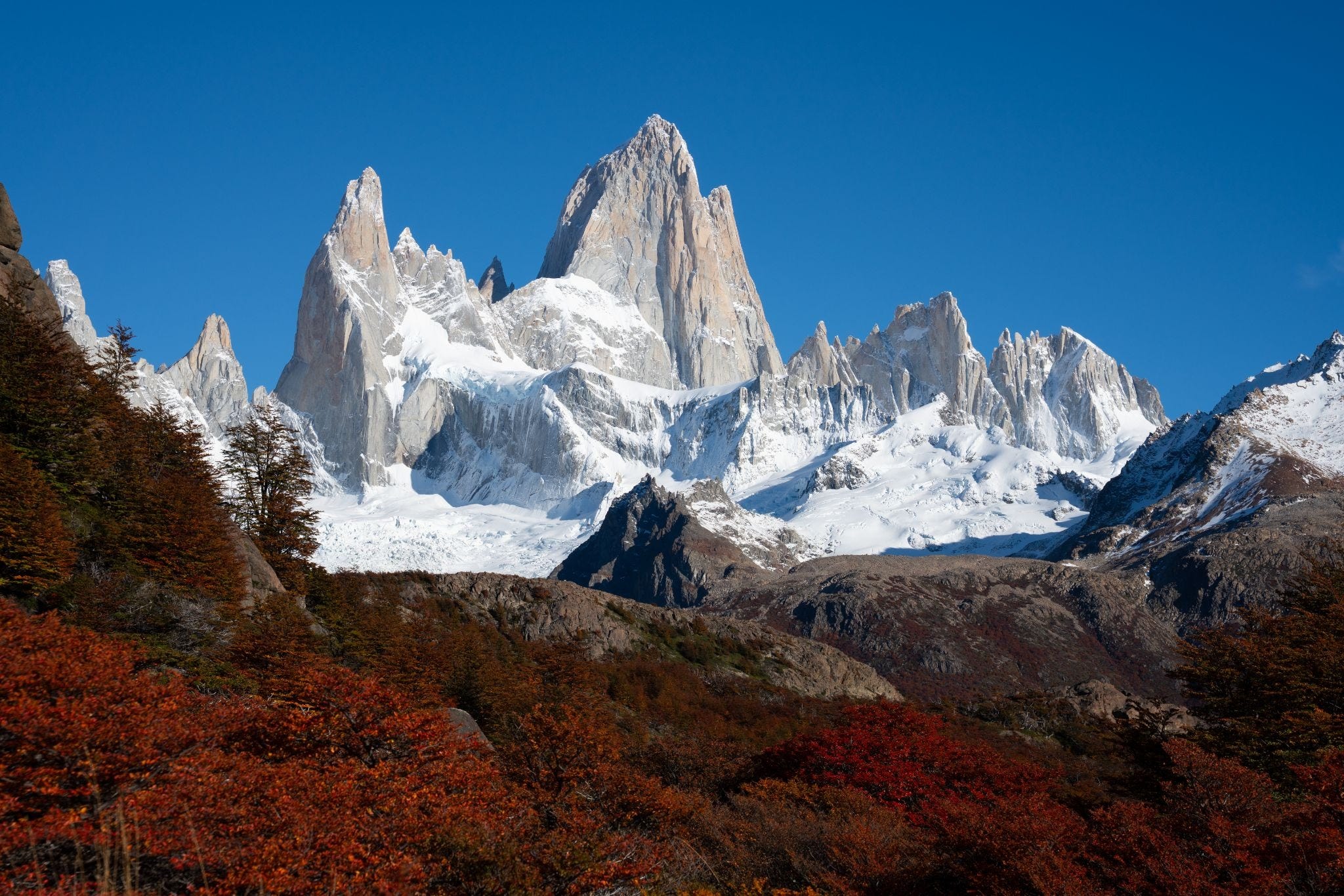
Some destinations ask you to slow down. Patagonia demands it.
From the granite peaks of Mount Fitz Roy to the ever-changing ice of Perito Moreno Glacier and the windswept landscapes surrounding Torres del Paine, Joe Kovel’s recent journey through Argentina and Chile is a reminder that the most memorable adventures are rarely the easiest. Long days on the trail, quiet moments of reflection, well-earned meals, and a glass of whiskey over ancient glacier ice all become part of the story. This week, he takes us through a corner of the world where nature still sets the pace and every mile is rewarded with something unforgettable:
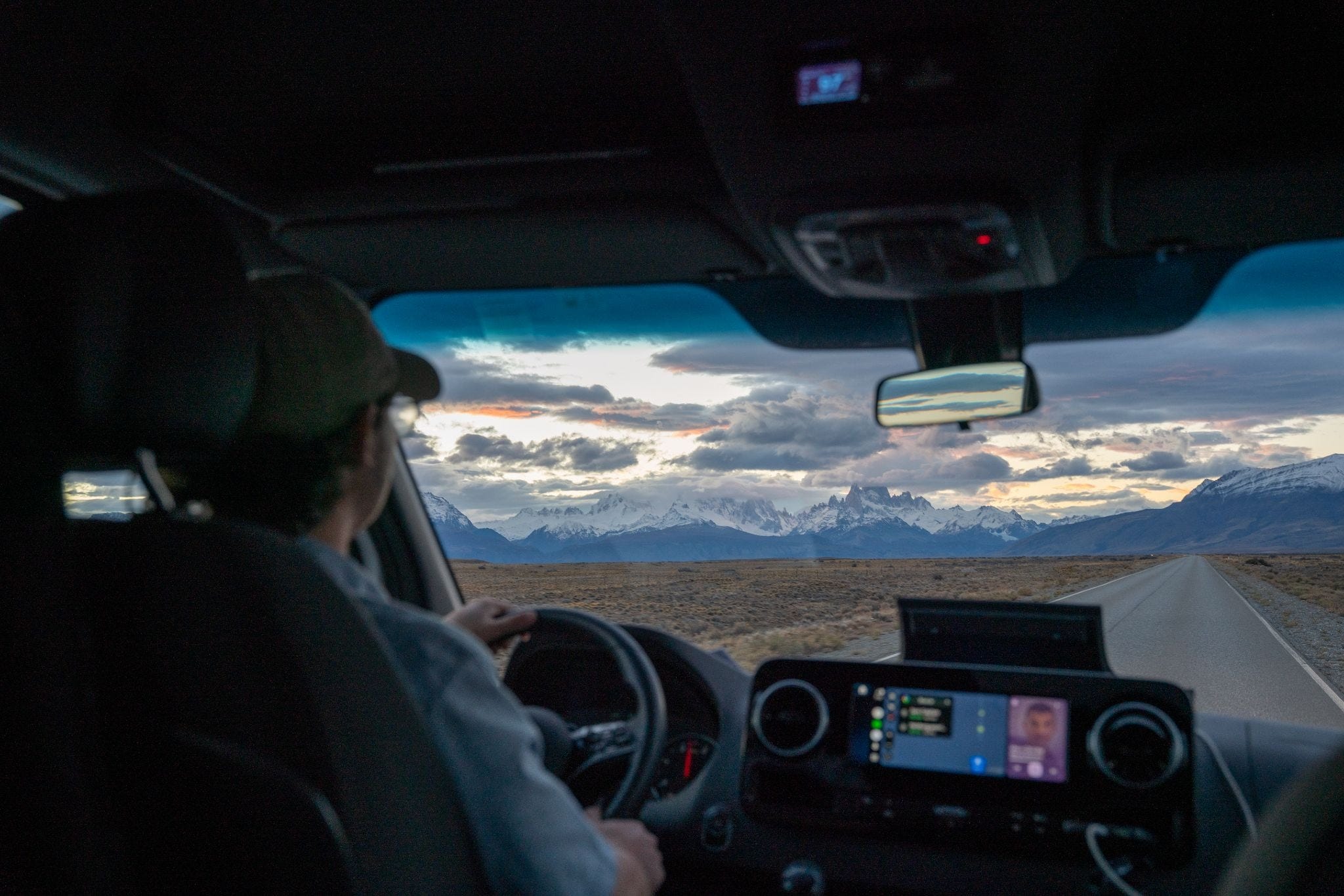
After a brutal 24-hour travel marathon of flying from NYC to Buenos Aires, catching a connection to El Calafate, and then a van ride into El Chalten, we did not exactly ease into things on this trip.
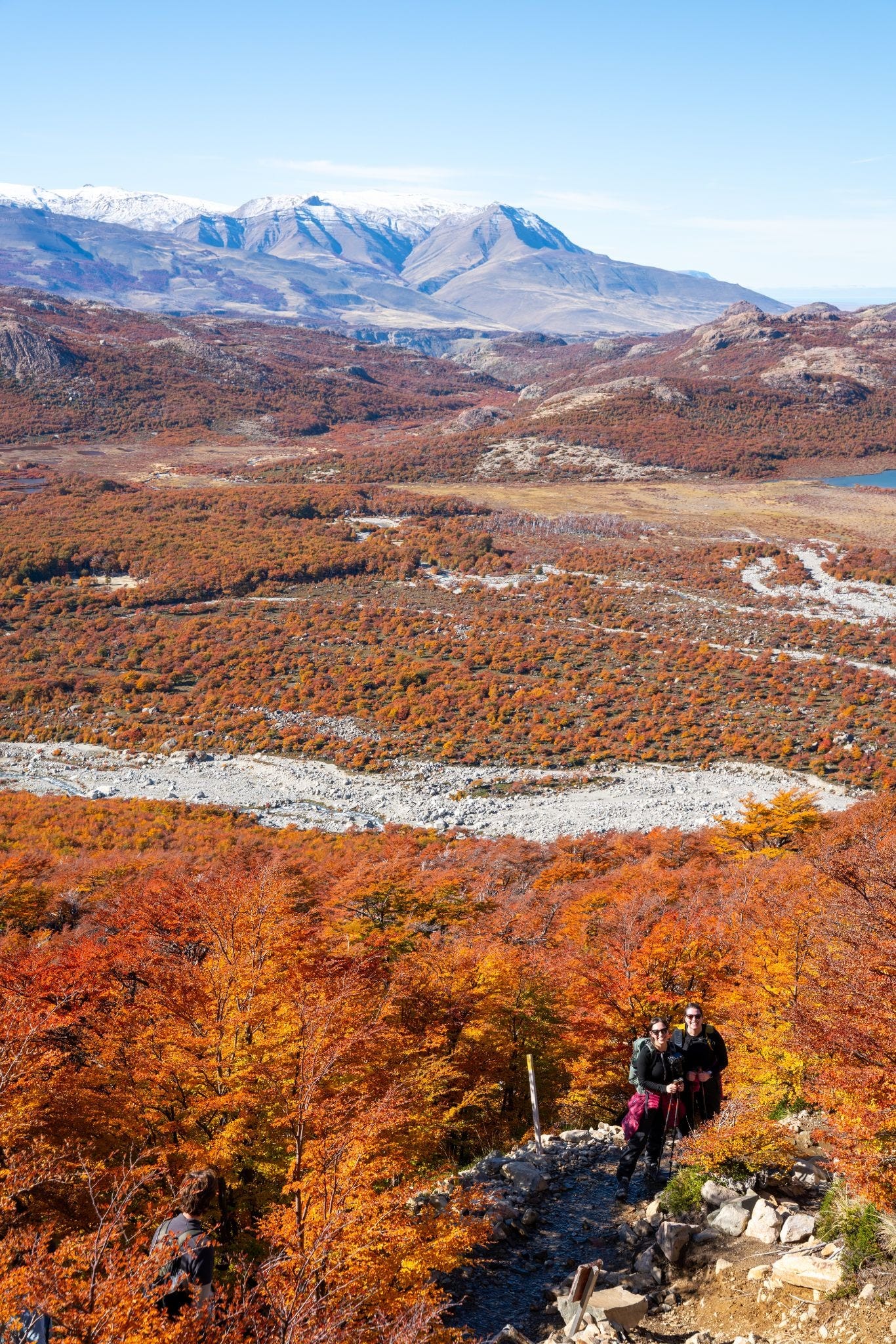
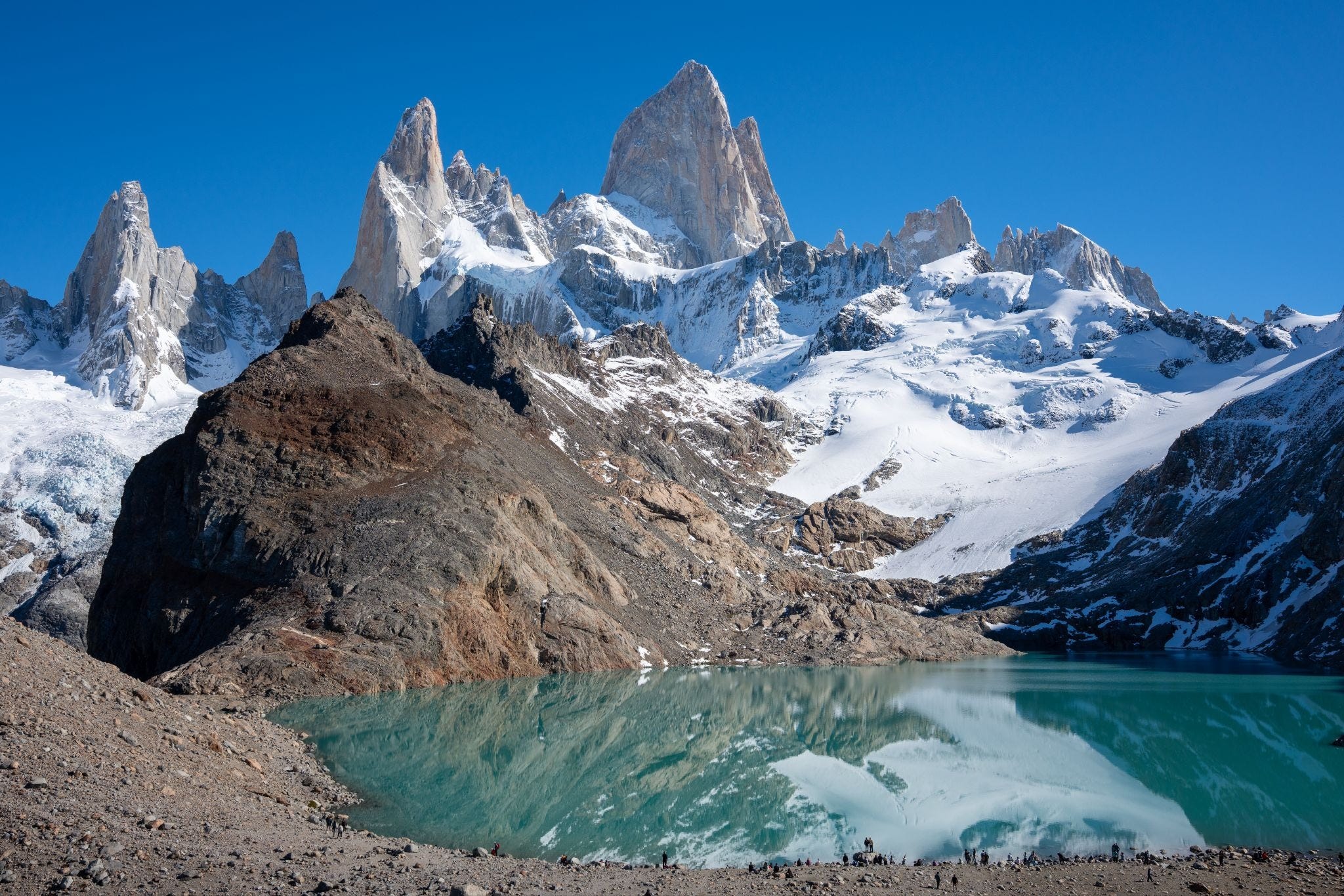
The next morning after traveling, we threw ourselves straight into the deep end of Argentina’s trekking capital by hiking the Laguna de los Tres trail to the base of Mount Fitz Roy. We knew we were traveling in Patagonia during the autumn, but we honestly had no idea the fall foliage would be this amazing. Slogging our way through vibrant orange-and-red forests made the demanding 14-mile trek feel completely surreal. It took us about 10 hours from start to finish, including a phenomenal lunch break right at the edge of the alpine lagoon, with a straight-up view of the massive granite teeth of Mount Fitz Roy. Lunch empanadas taste better with views like this.
By the time we finally made it back down to the town, our legs were completely shot, but the day wasn’t quite over. We capped off the high of our first major trek by heading over to Cervecería Patagonia for some much-needed local microbrews and a hearty dinner. To officially celebrate surviving the 10-hour marathon, we made one last stop at Heladería Domo Blanco for some of the best ice cream in town. It was the absolute perfect end to an unforgettable first day on the trails.
After our amazing time seeing Mount Fitz Roy in El Chalten, we made it back down to El Calafate for a well-deserved rest day before our glacier trek at Perito Moreno Glacier. This was actually my second time on a glacier (the first being in Iceland), but it completely blew me away all over again.
Stepping onto the ice with our crampons felt totally otherworldly. We learned from our guides that every single day is a completely unique experience out there. It’s not just because of Patagonia’s famously unpredictable weather, but because the glacier is constantly shape-shifting. It changes so quickly that the guides have to carve out brand-new paths daily just to keep the trekking routes safe.
But trail-blazing wasn’t the only thing they used their tools for. To wrap up our time on the ice, the guides chiseled a few chunks of pure glacial ice straight from the frozen ground to drop into our rocks glasses for some well-deserved whiskey.
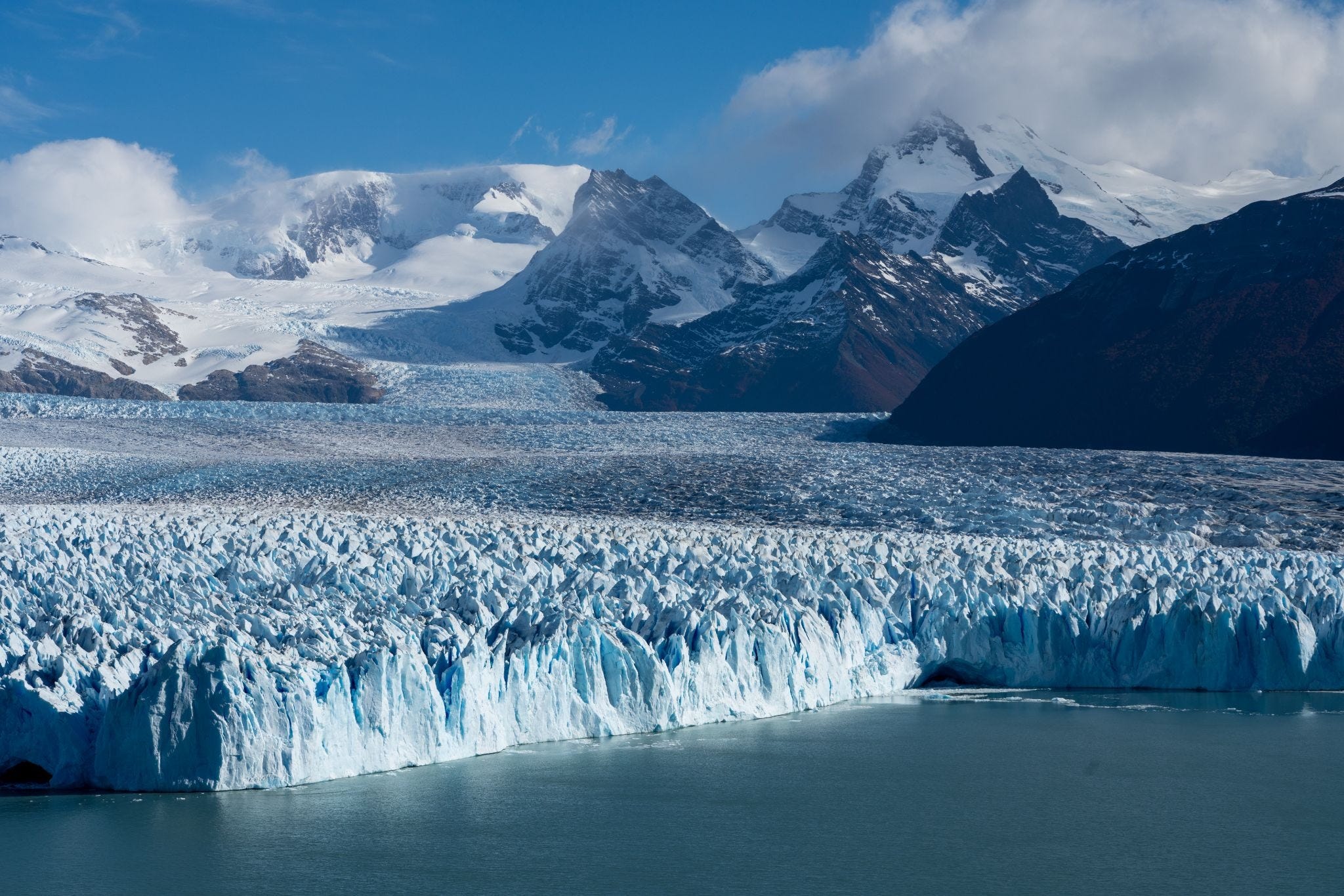
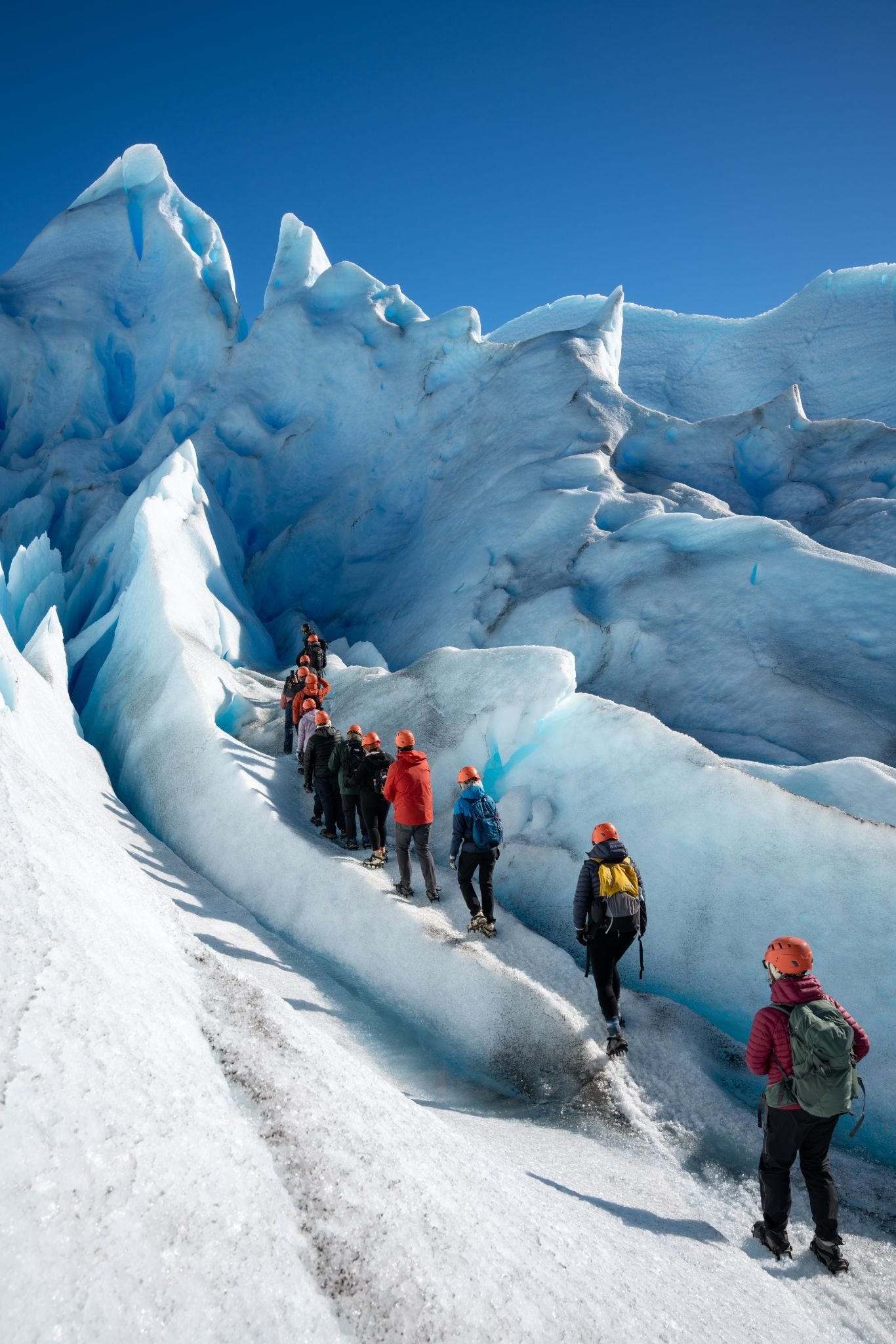
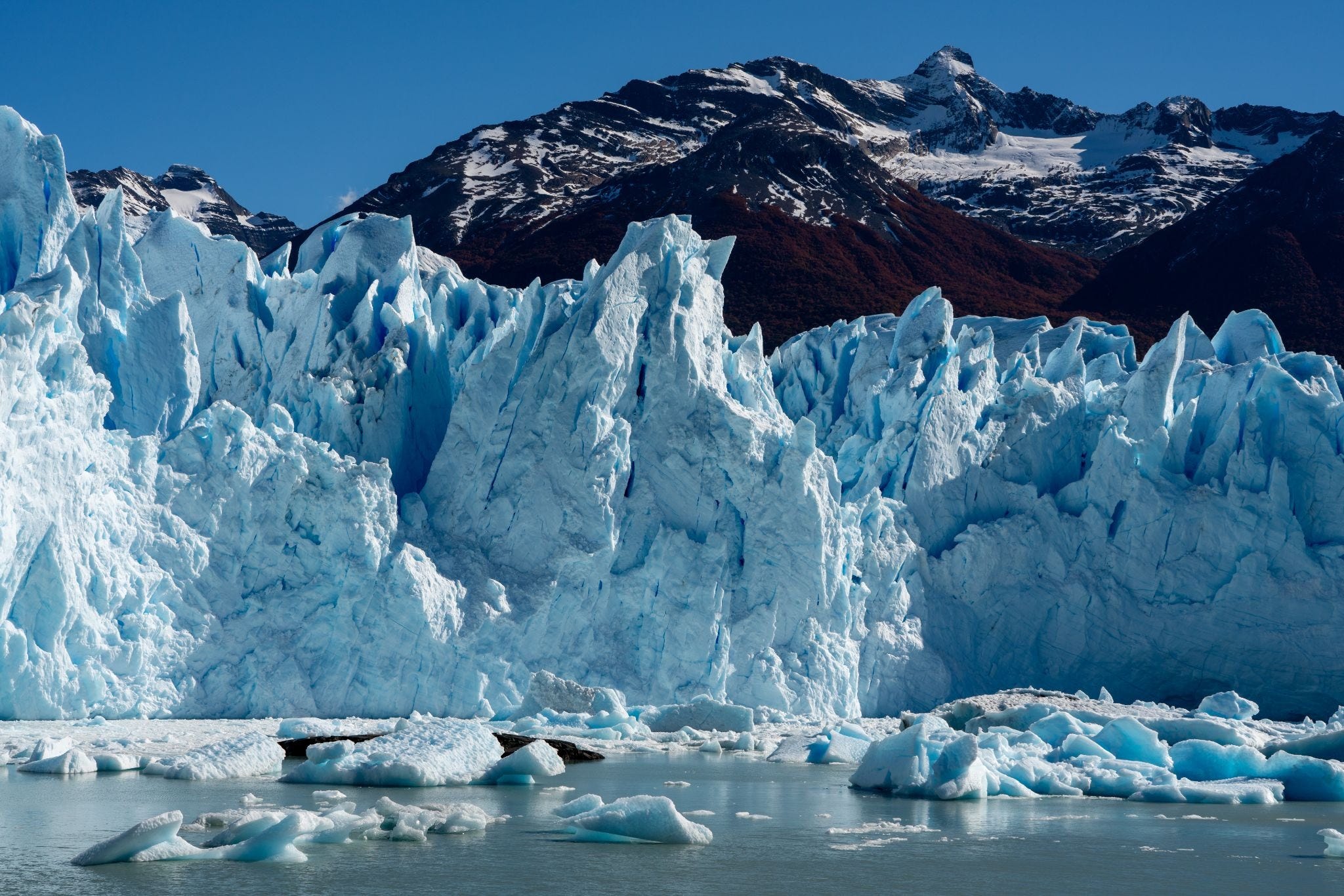
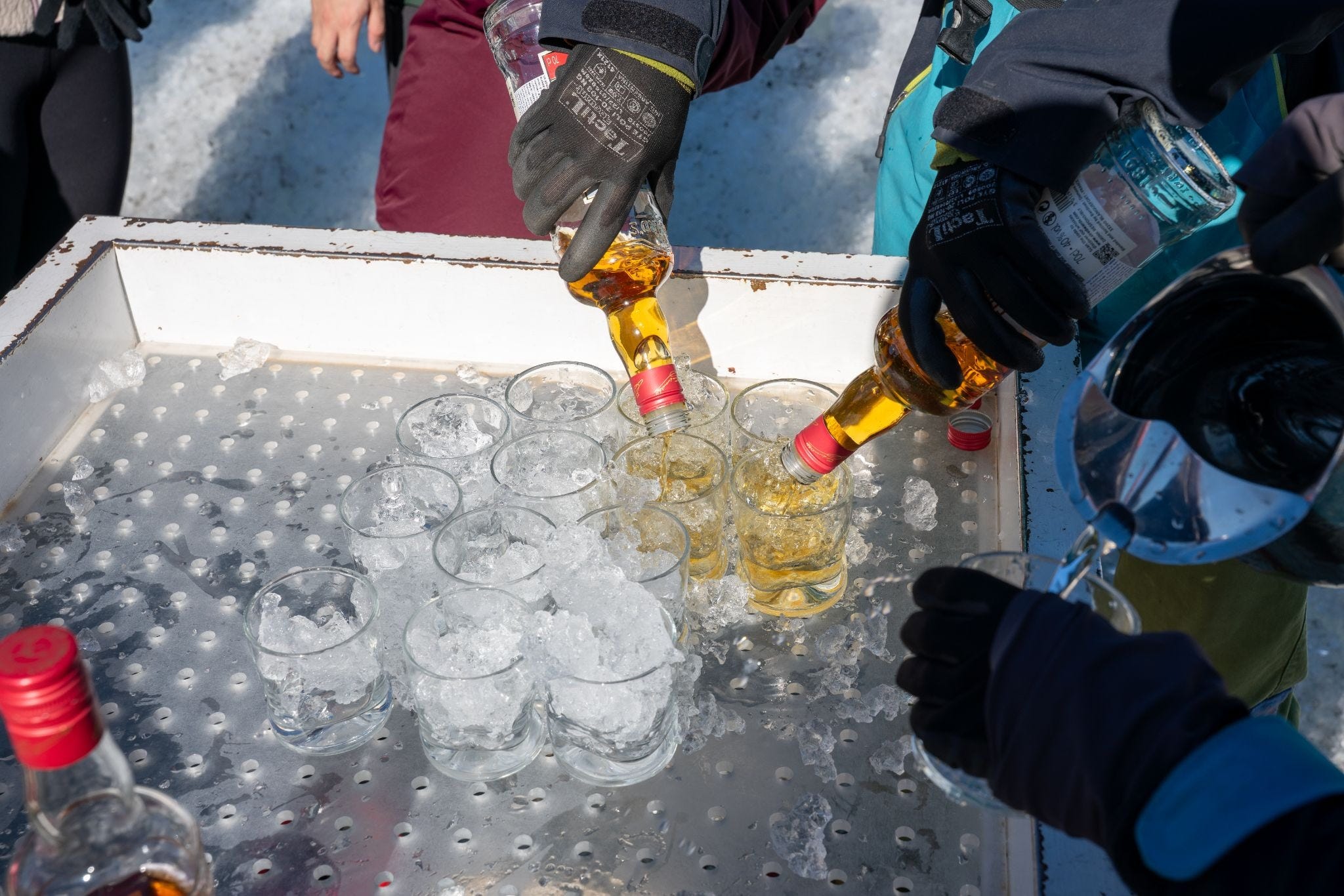
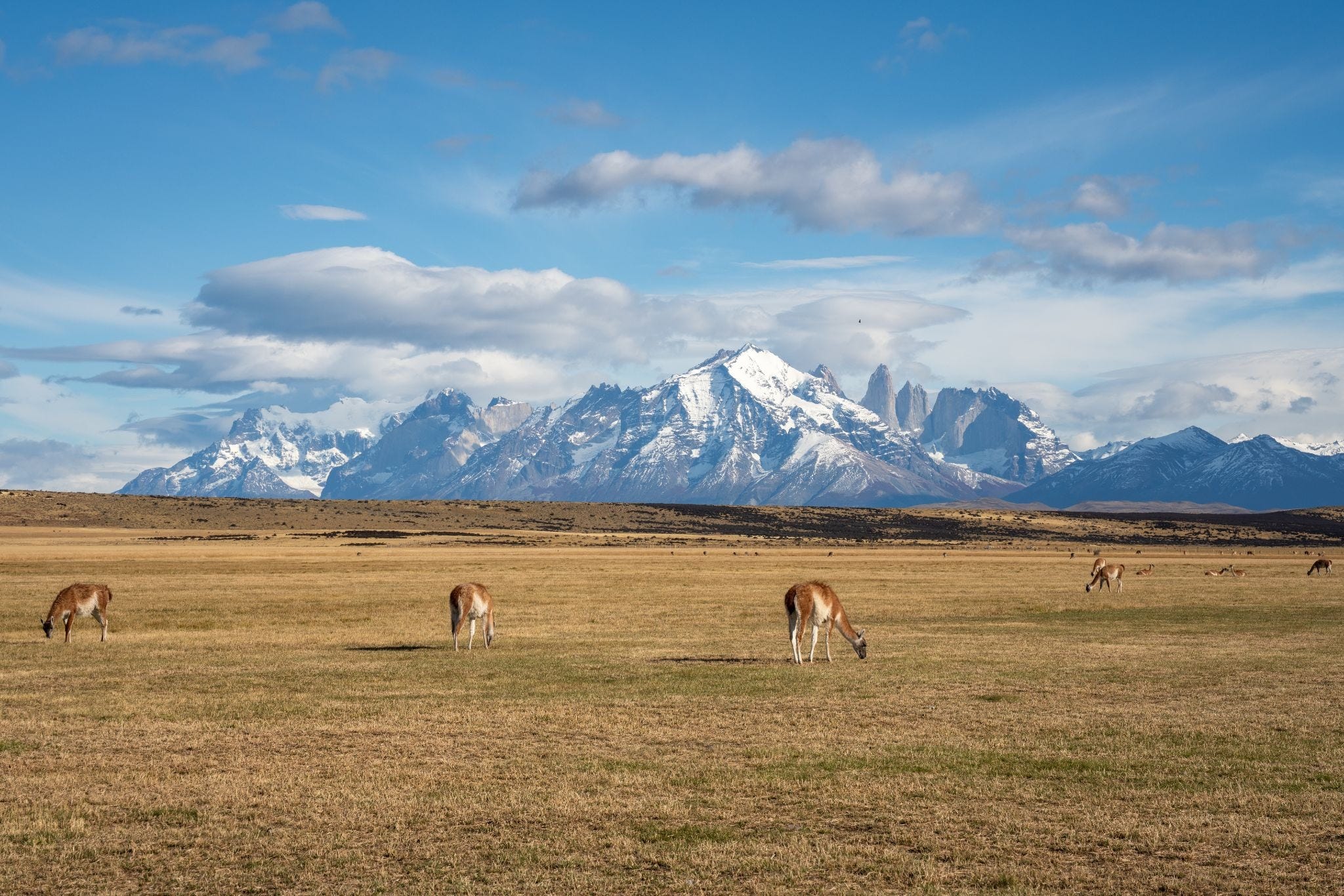
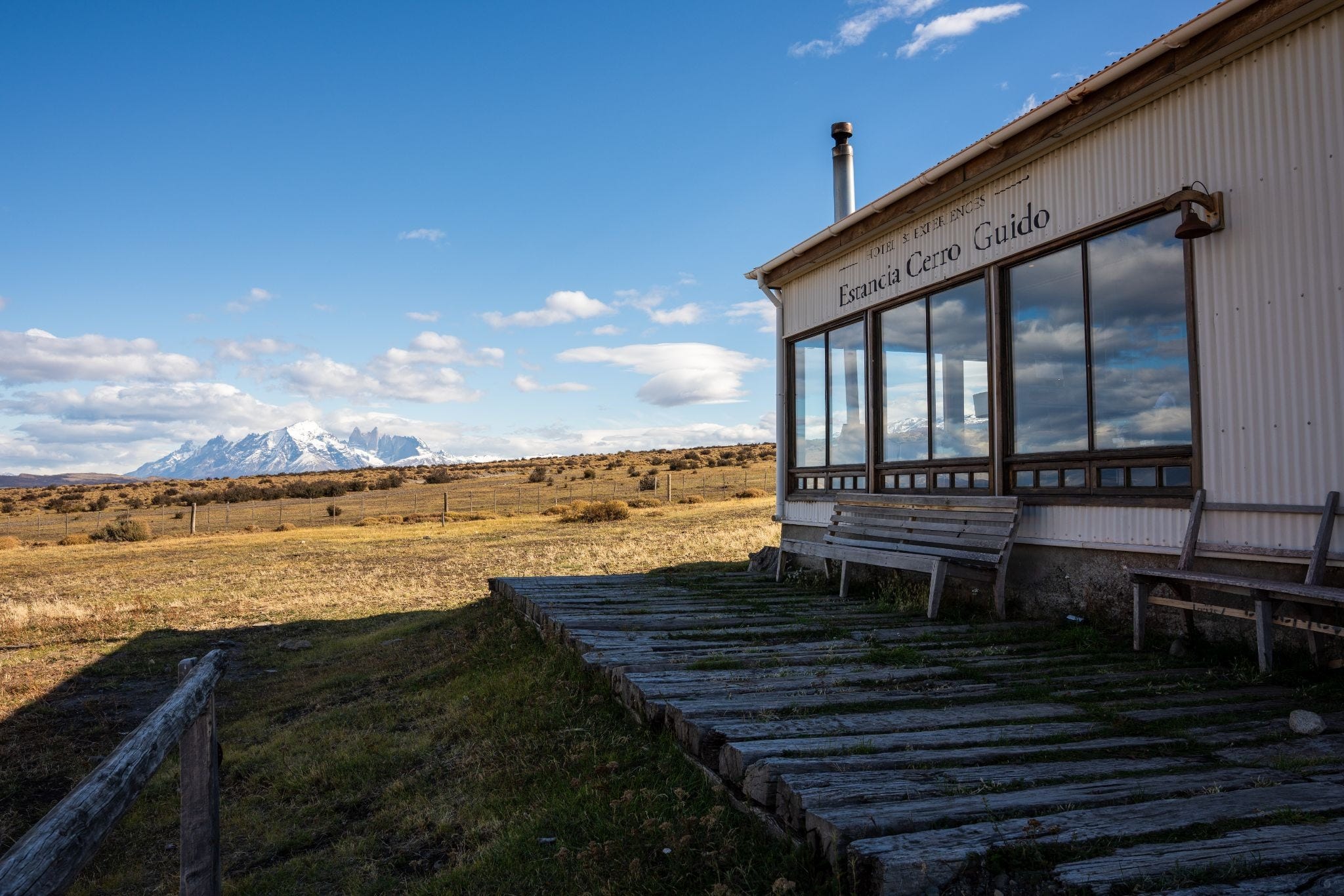
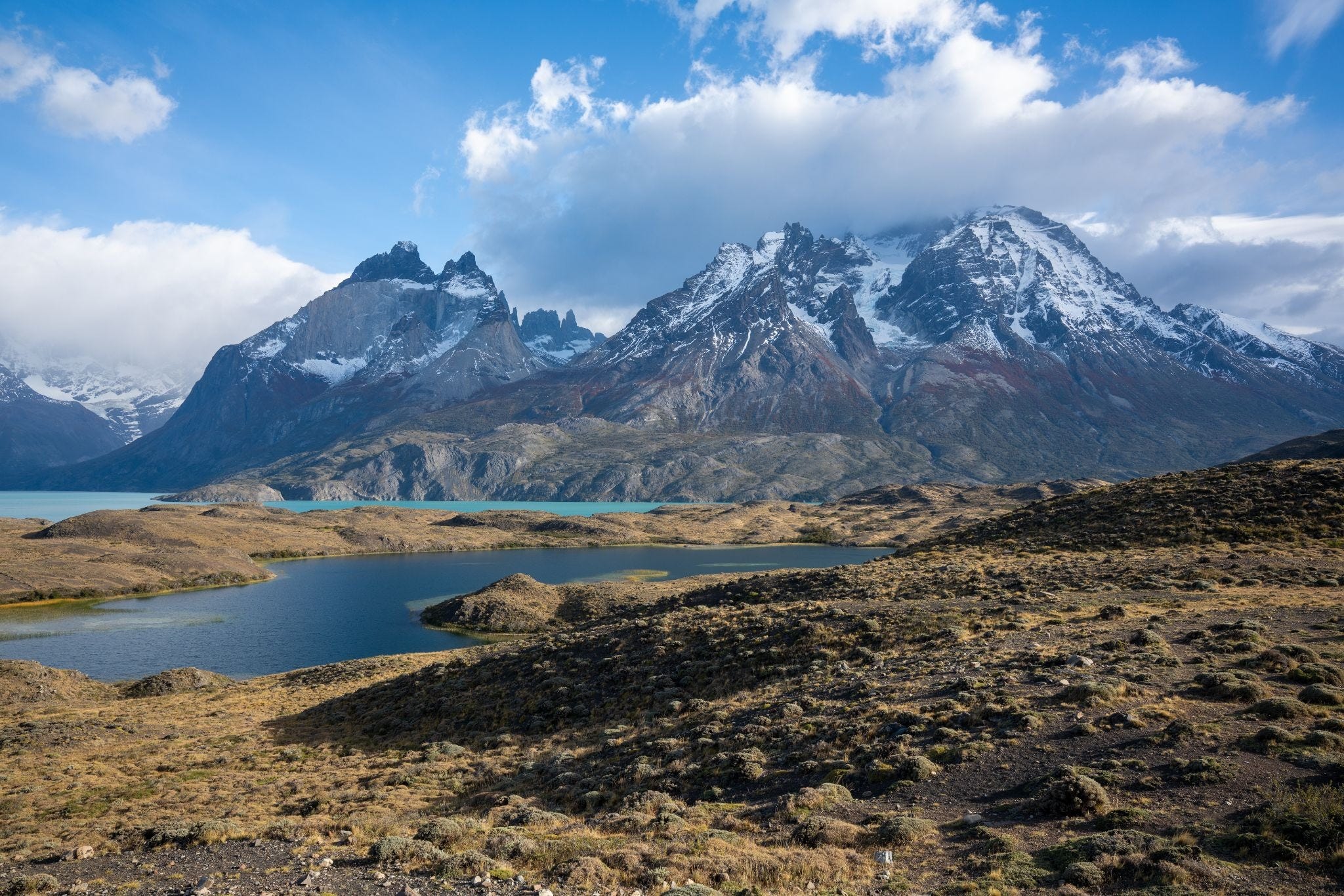
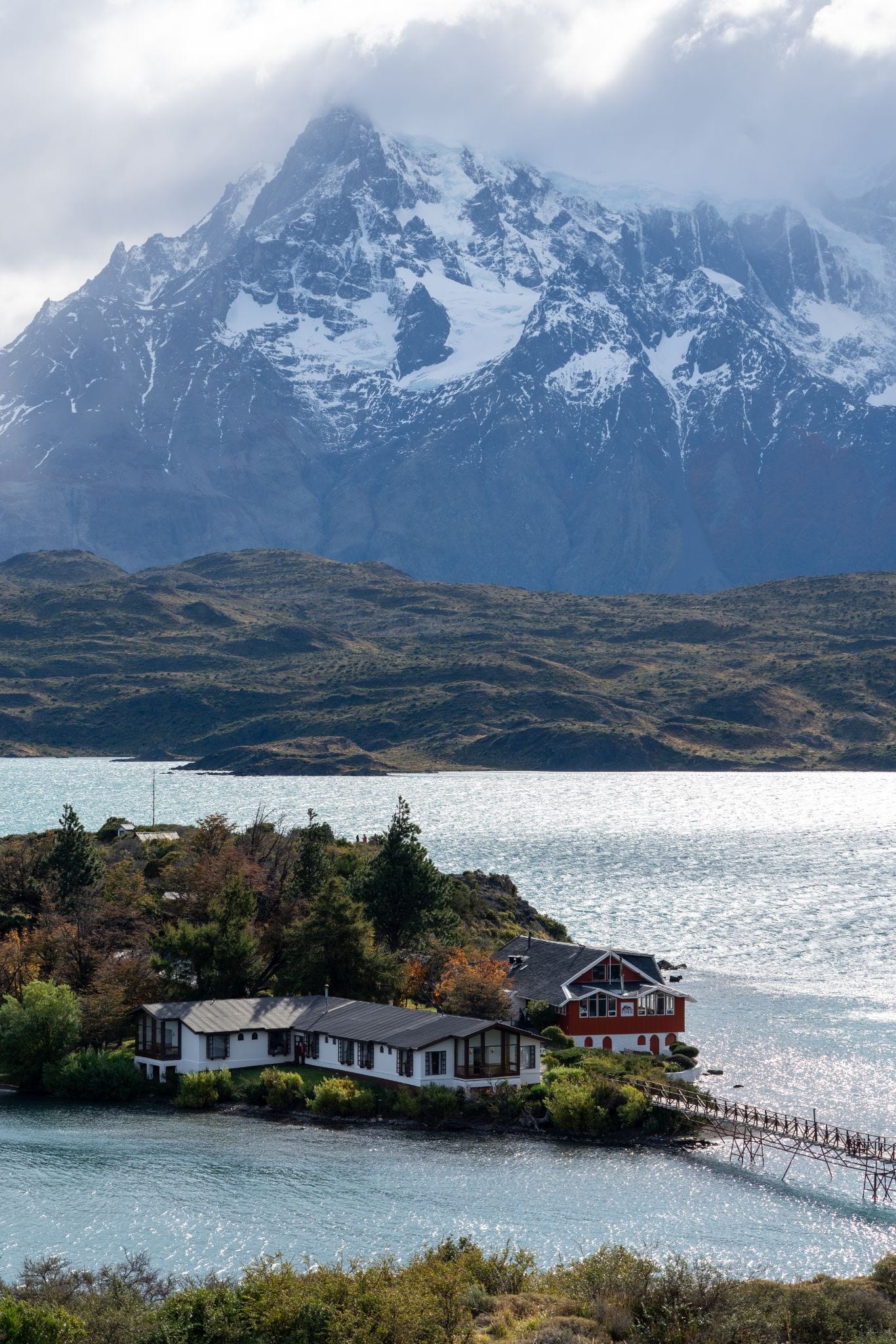
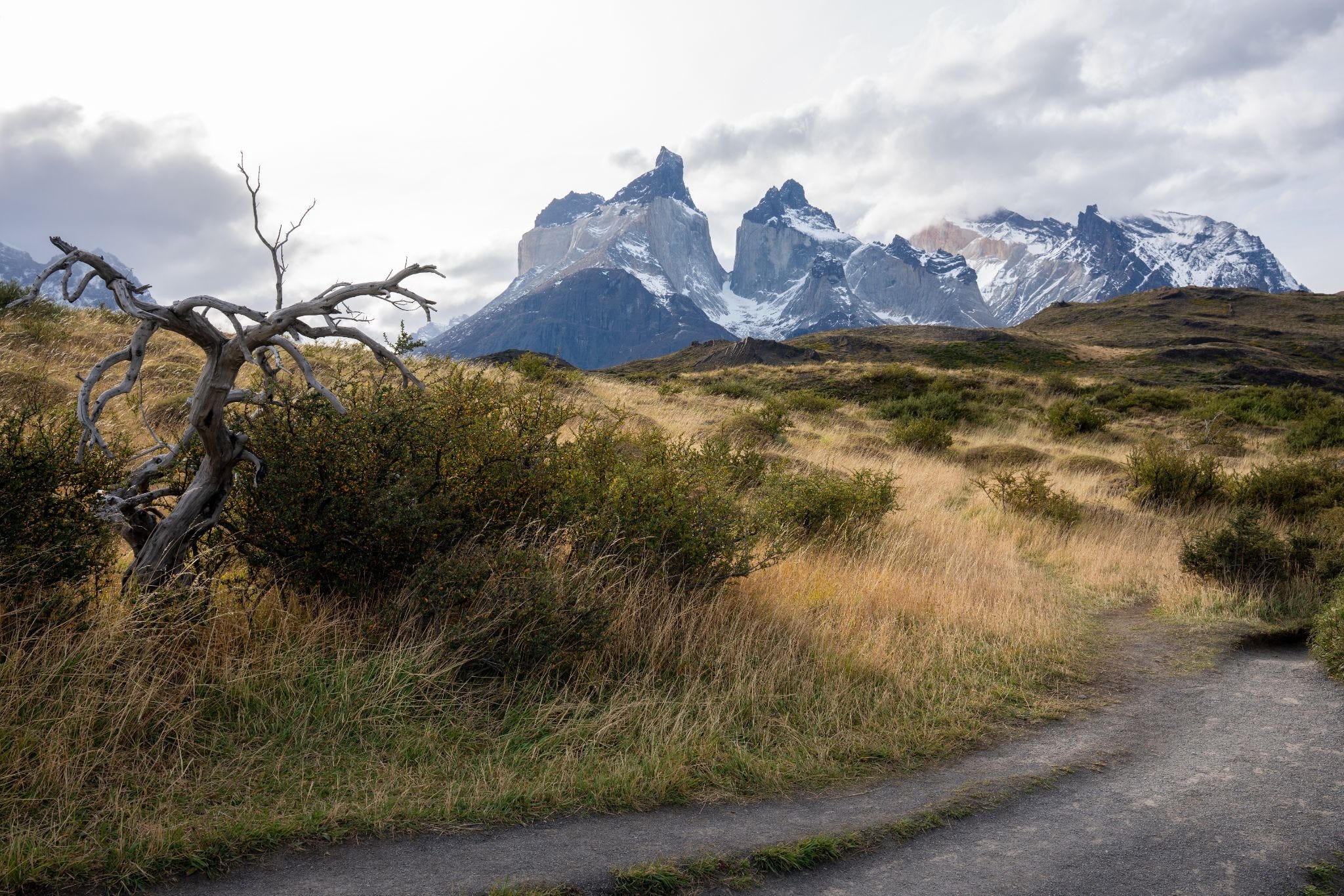
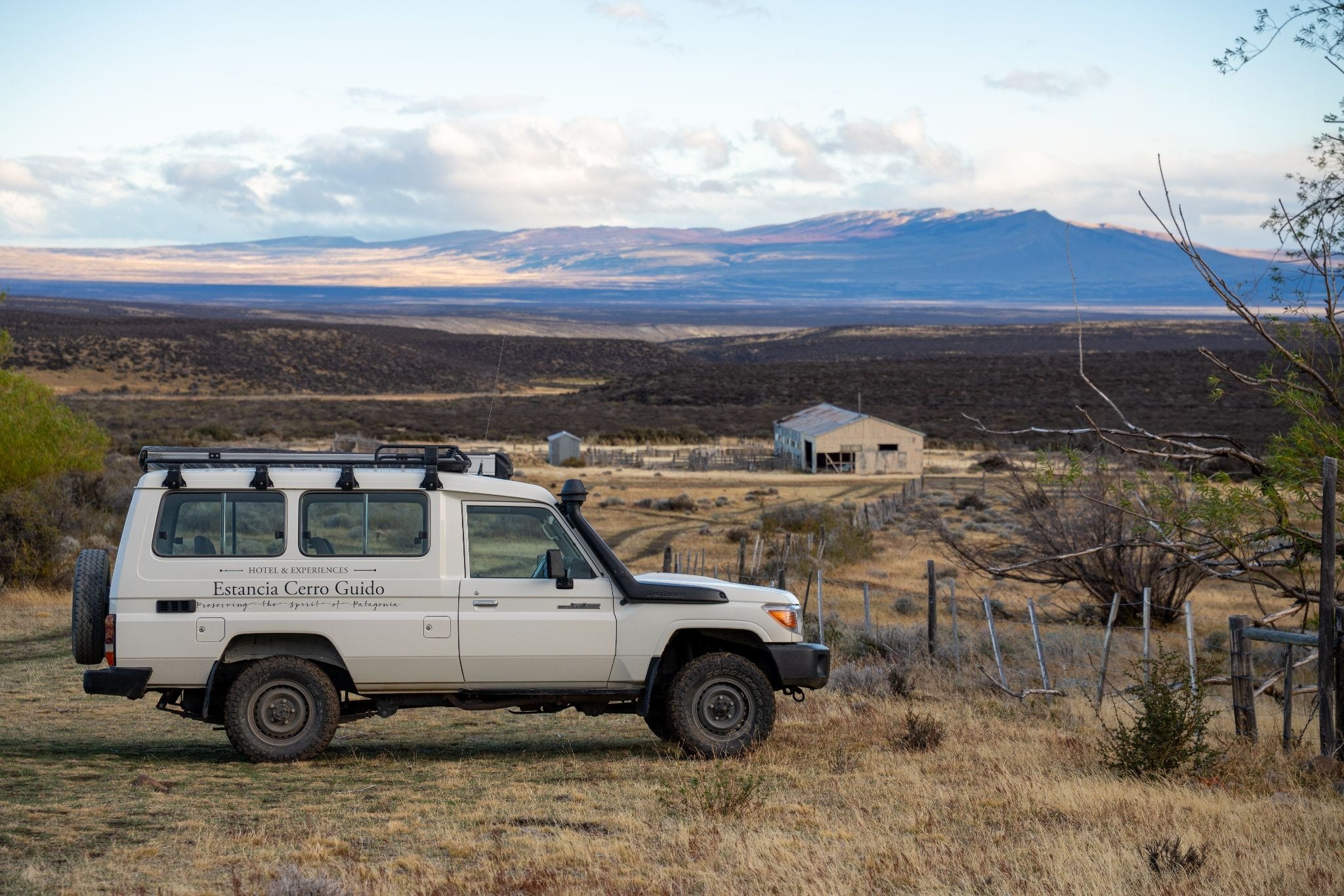
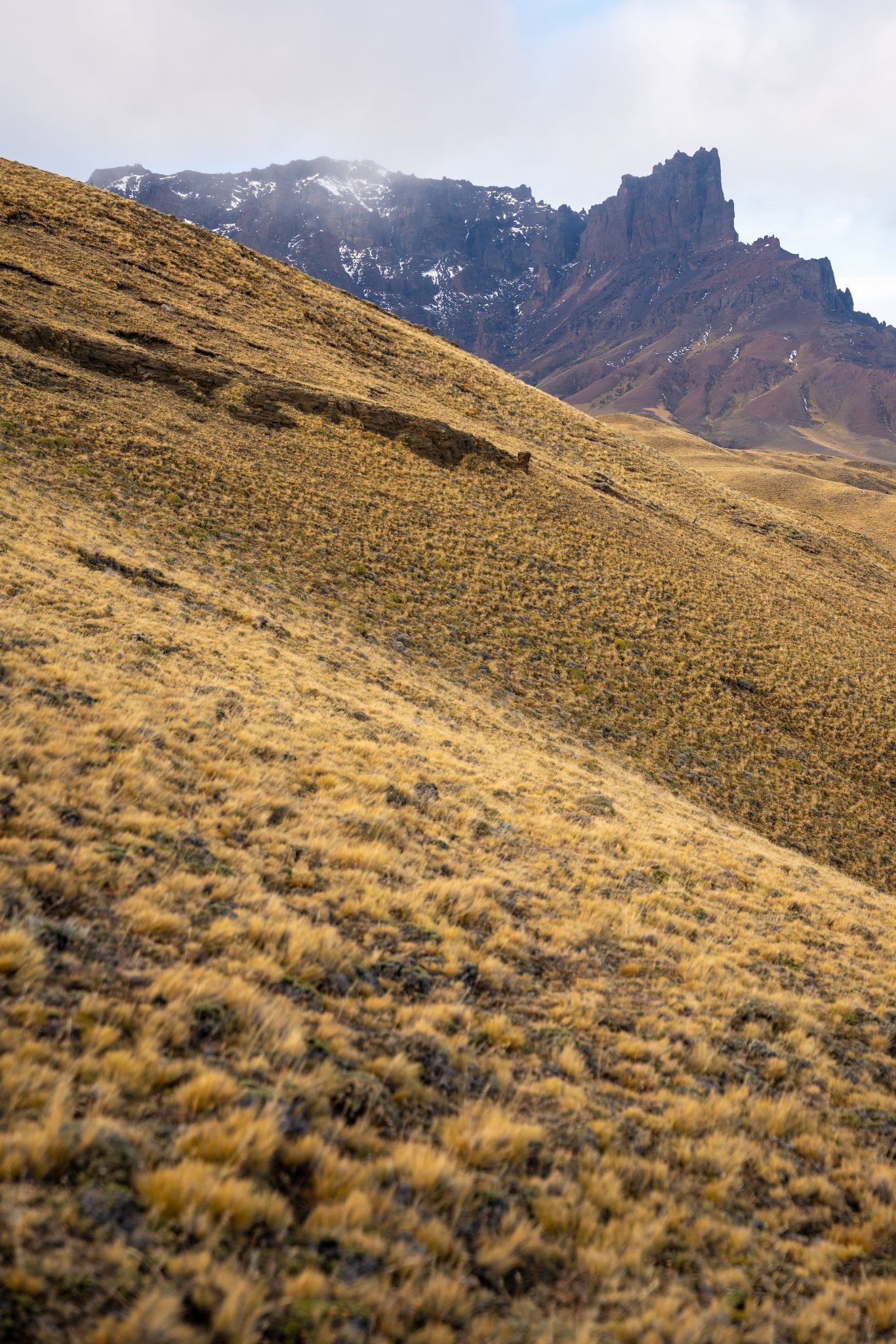
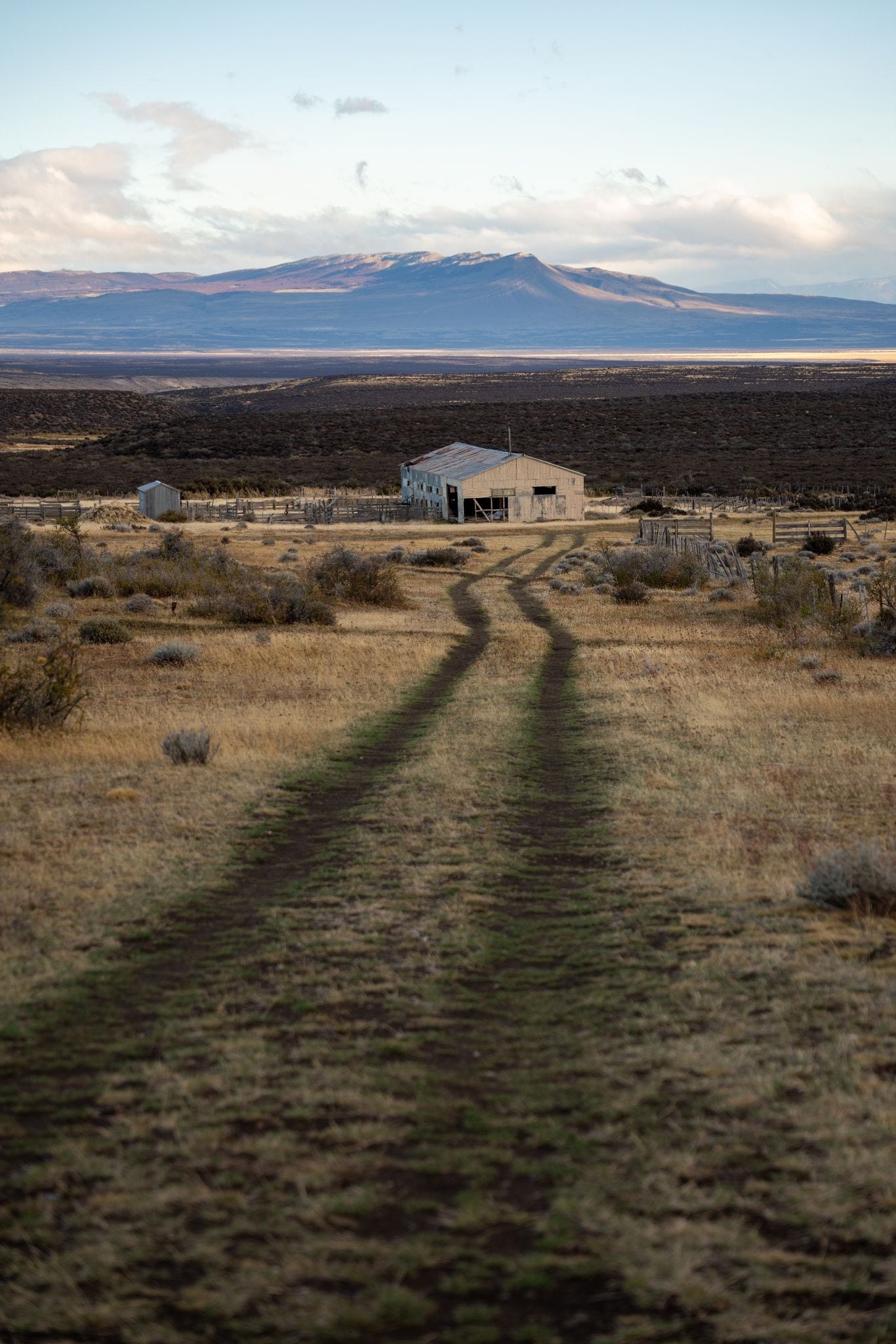
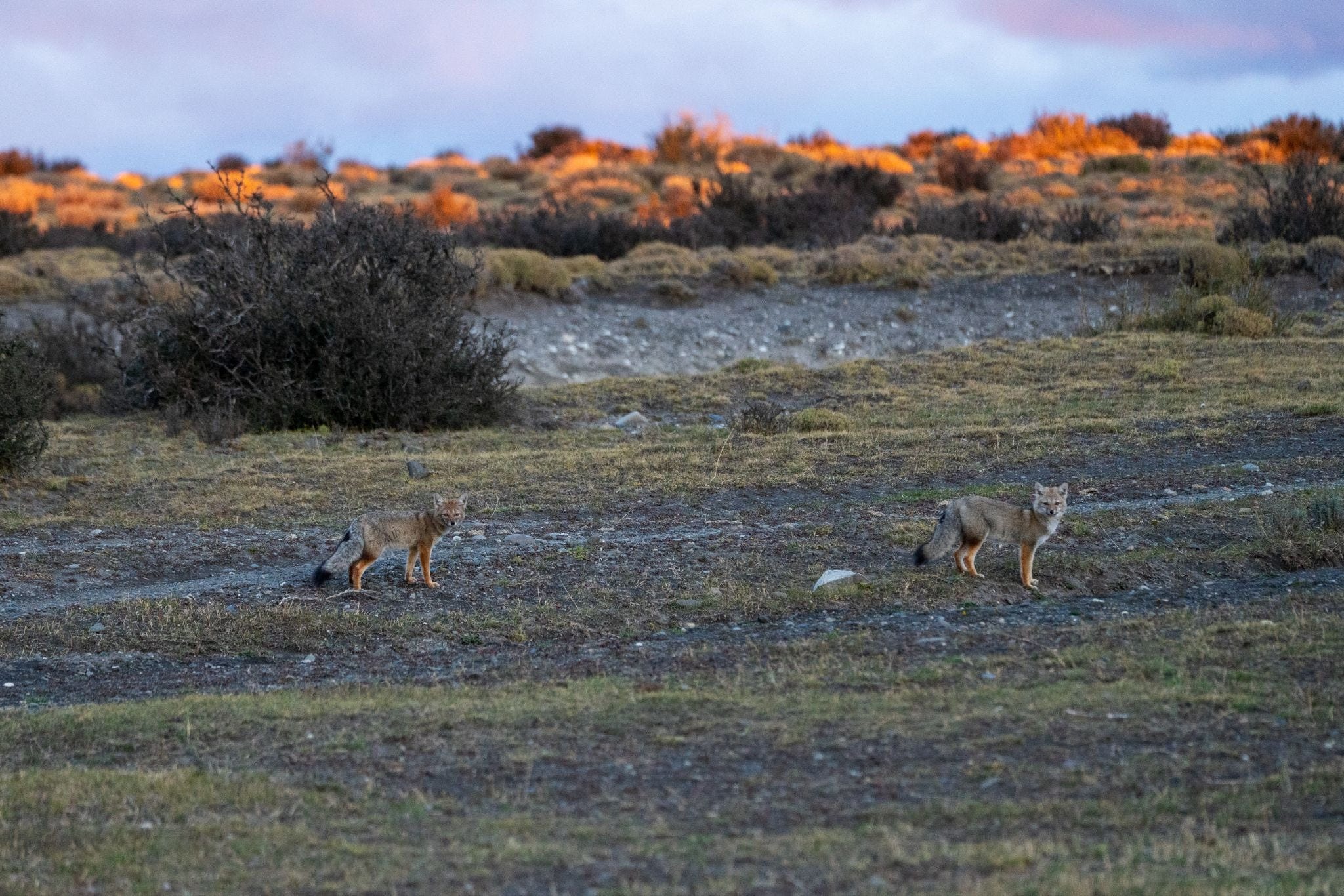
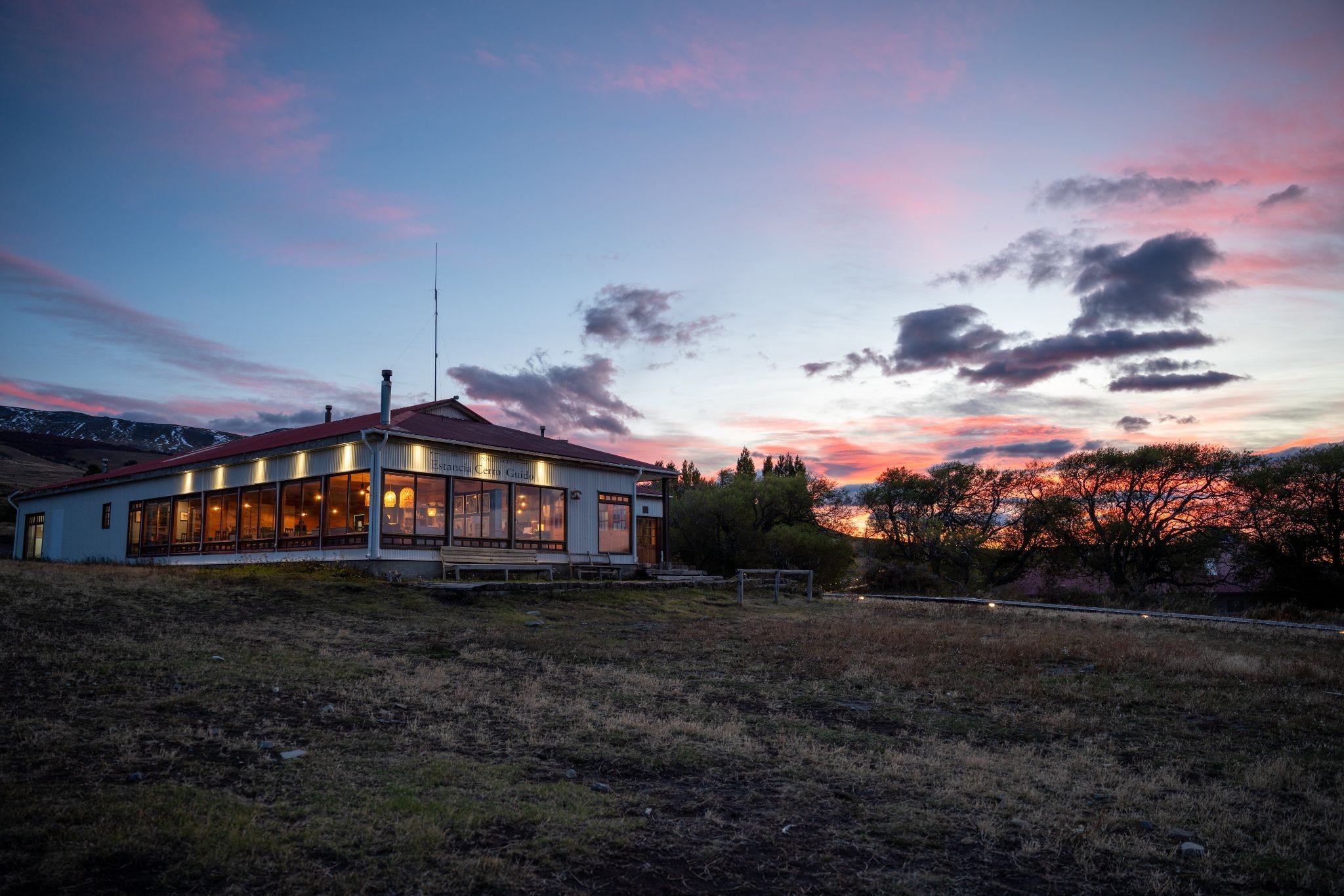
From Argentina, we crossed into Chile to spend our final days at Estancia Cerro Guido (@turismo.estancia.cerroguido), and it was absolutely fantastic. The views of Torres del Paine National Park right from the estancia grounds were completely unreal, giving us a front-row seat to the peaks every day as we headed out to explore.
Our first full day was a Cerro Guido guide-led tour of the park, checking off some of the iconic sites while keeping our eyes peeled to the horizon as we did our absolute best to track down an elusive Patagonia puma, though we were unfortunately unsuccessful.
The next day, we went on a trek in the surrounding area of the estancia that (in a completely different way from the glacier) felt like stepping onto another planet. The sheer expansiveness and profound quiet of the landscape were mesmerizing. That calmness quickly ended as we reached the summit of the hike and were almost blown right off the mountain by a constant, piercing wind.
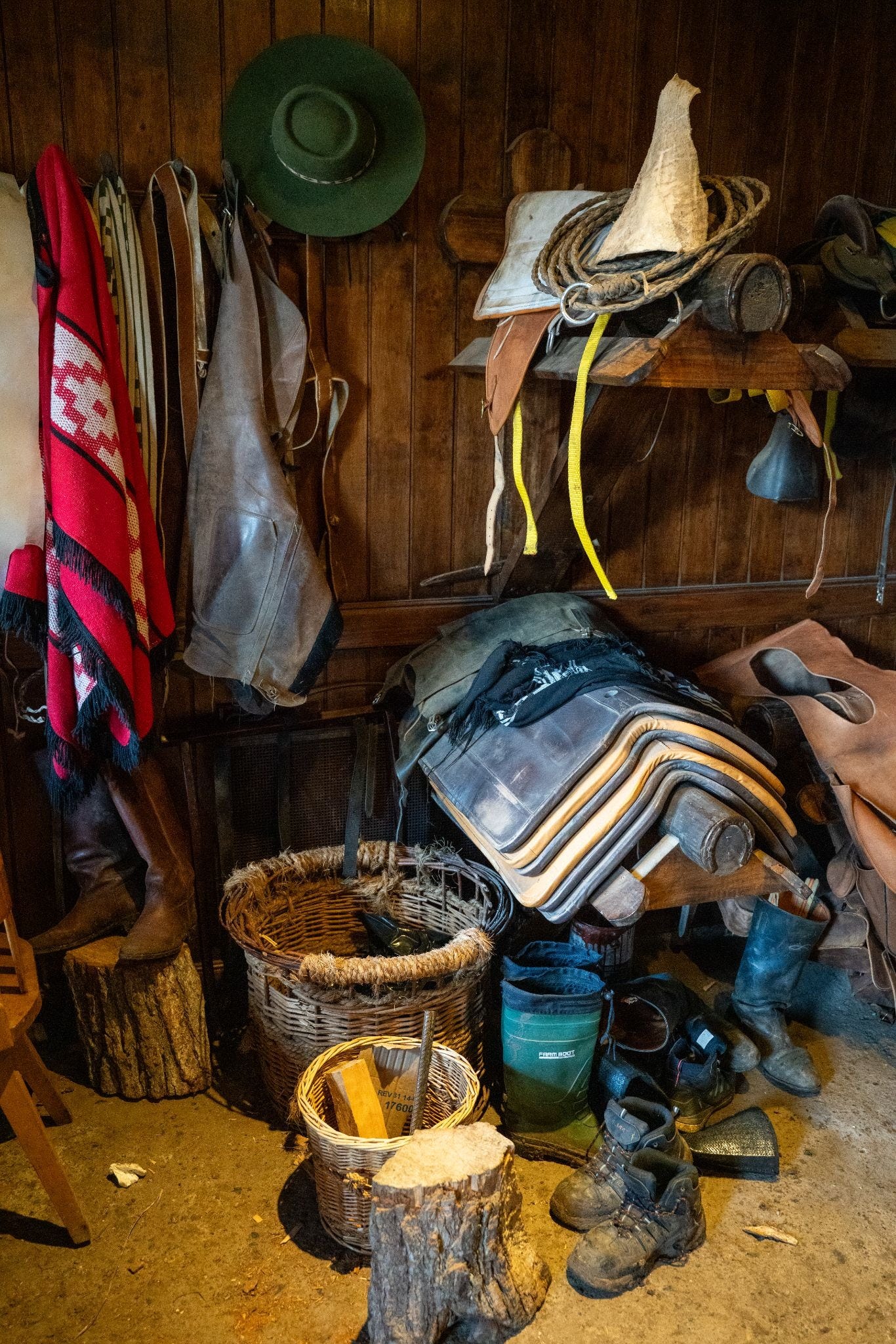
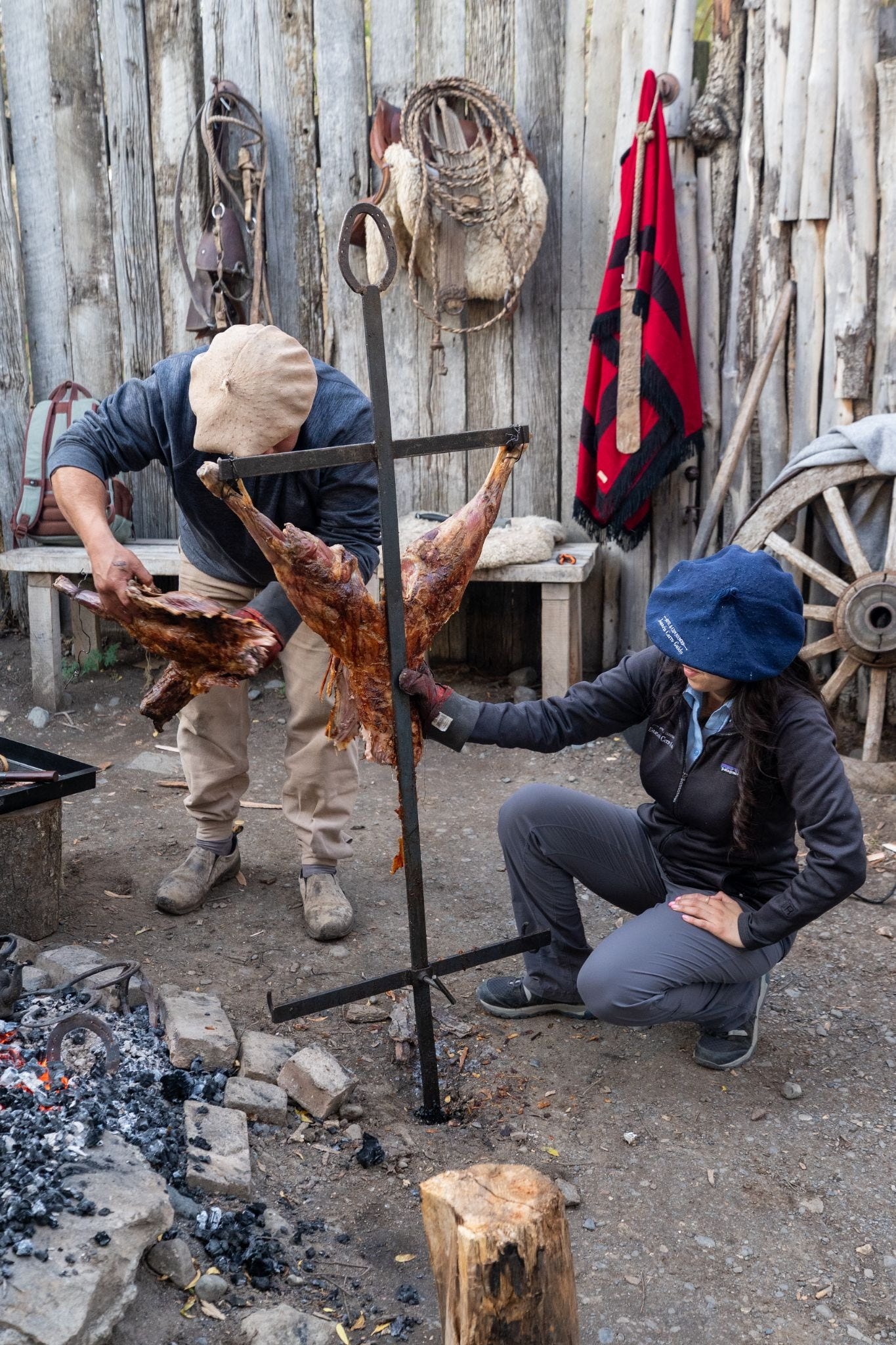
While we weren’t out exploring, Estancia Cerro Guido itself was pure comfort. The food, cocktails, and wine program were entirely unreal, and the staff and guides truly made the whole experience feel special. The ultimate highlight was a traditional evening barbecue, where we gathered to eat authentically prepared Patagonian food cooked slowly over an open fire. It was the perfect, rugged yet refined way to wrap up a legendary expedition.
Details and images via Joe Kovel
Add To Cart
Some menswear and other finds to browse at your leisure, from brands we love:
Rivay Brezza Linen Double-Breasted Jacket

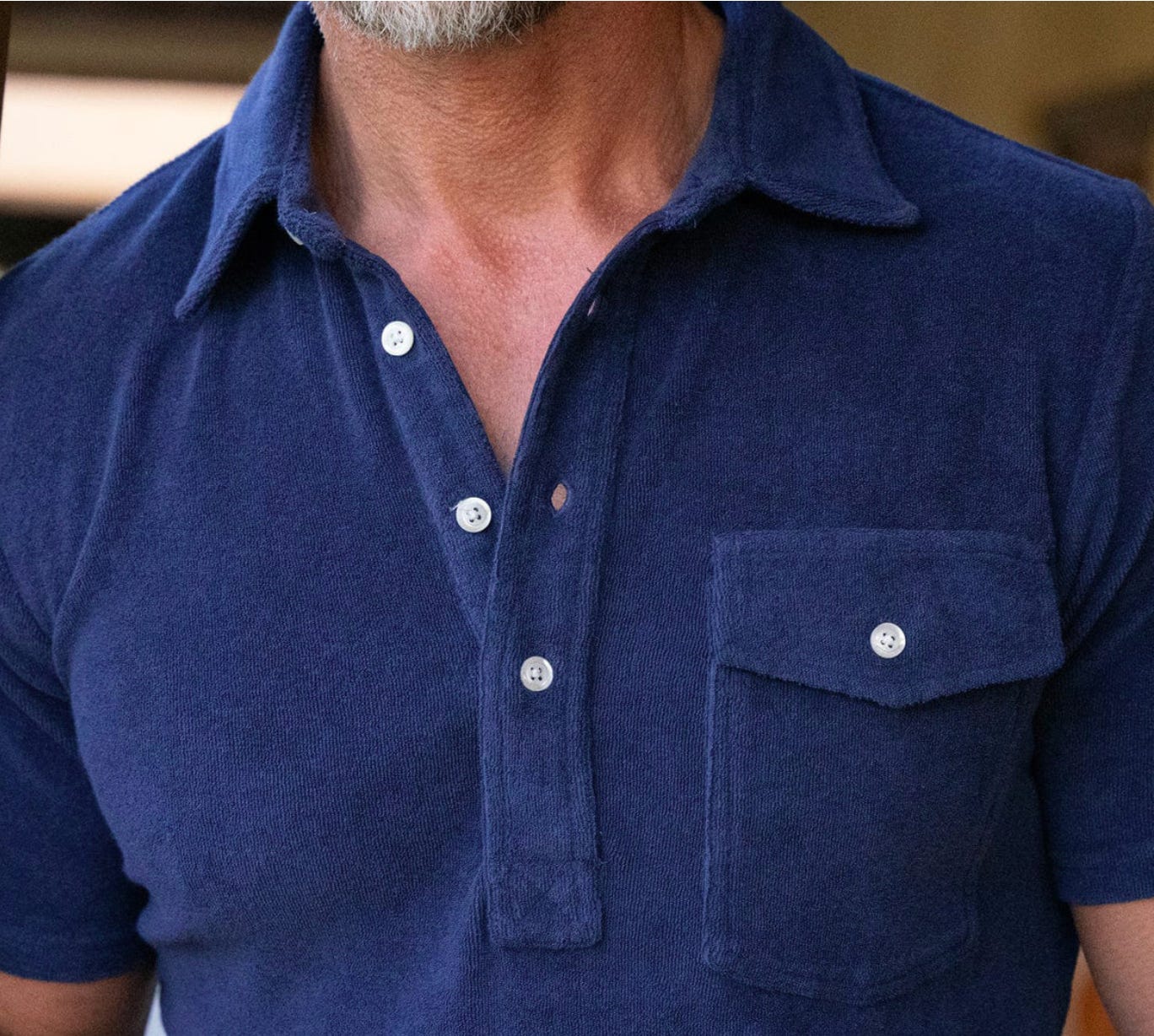
Criquet Terrycloth Players Shirt
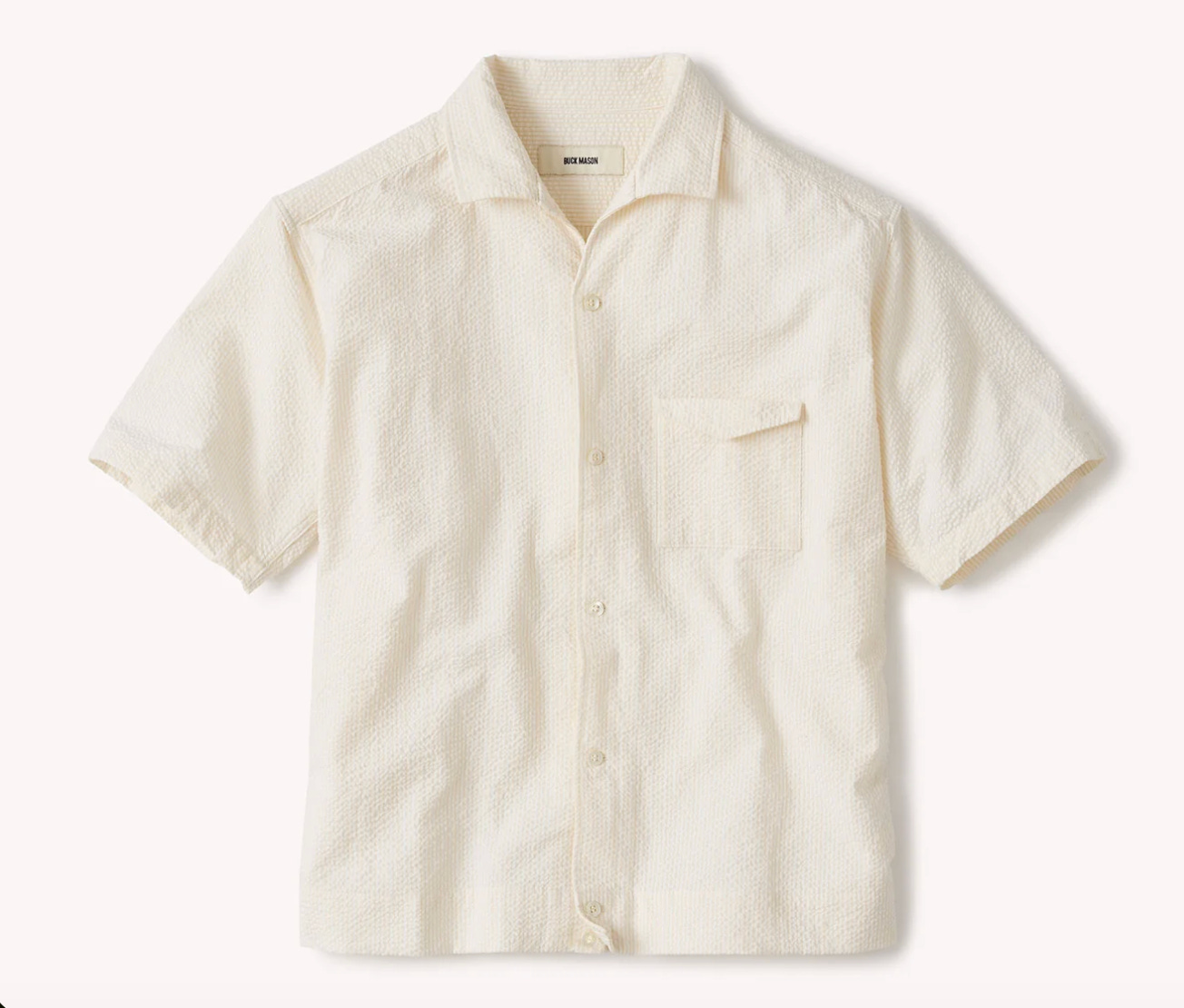
Buck Mason Sodapop Seersucker Resort Shirt
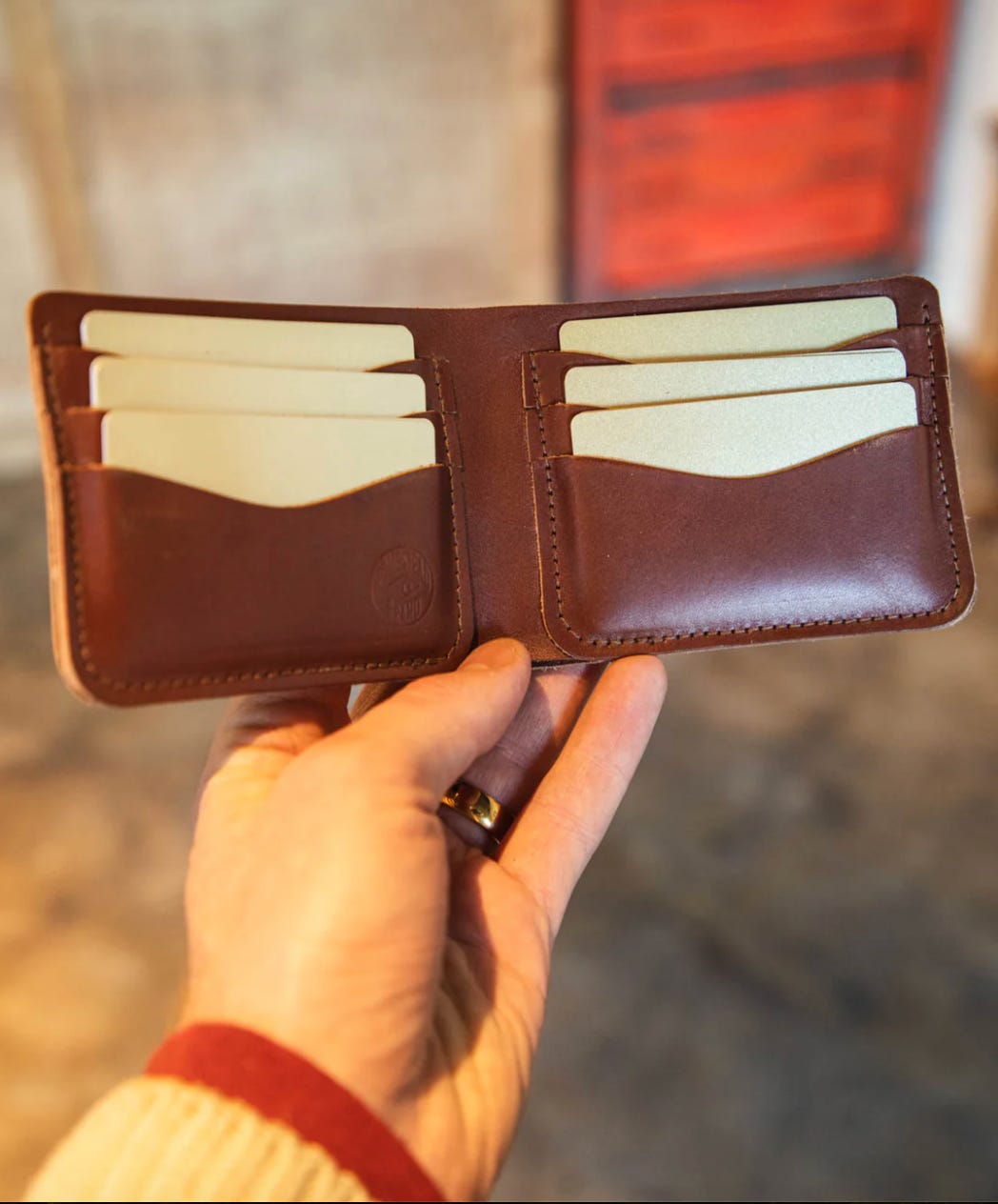
Homestead Brand Standard Bifold Wallet No. 1004
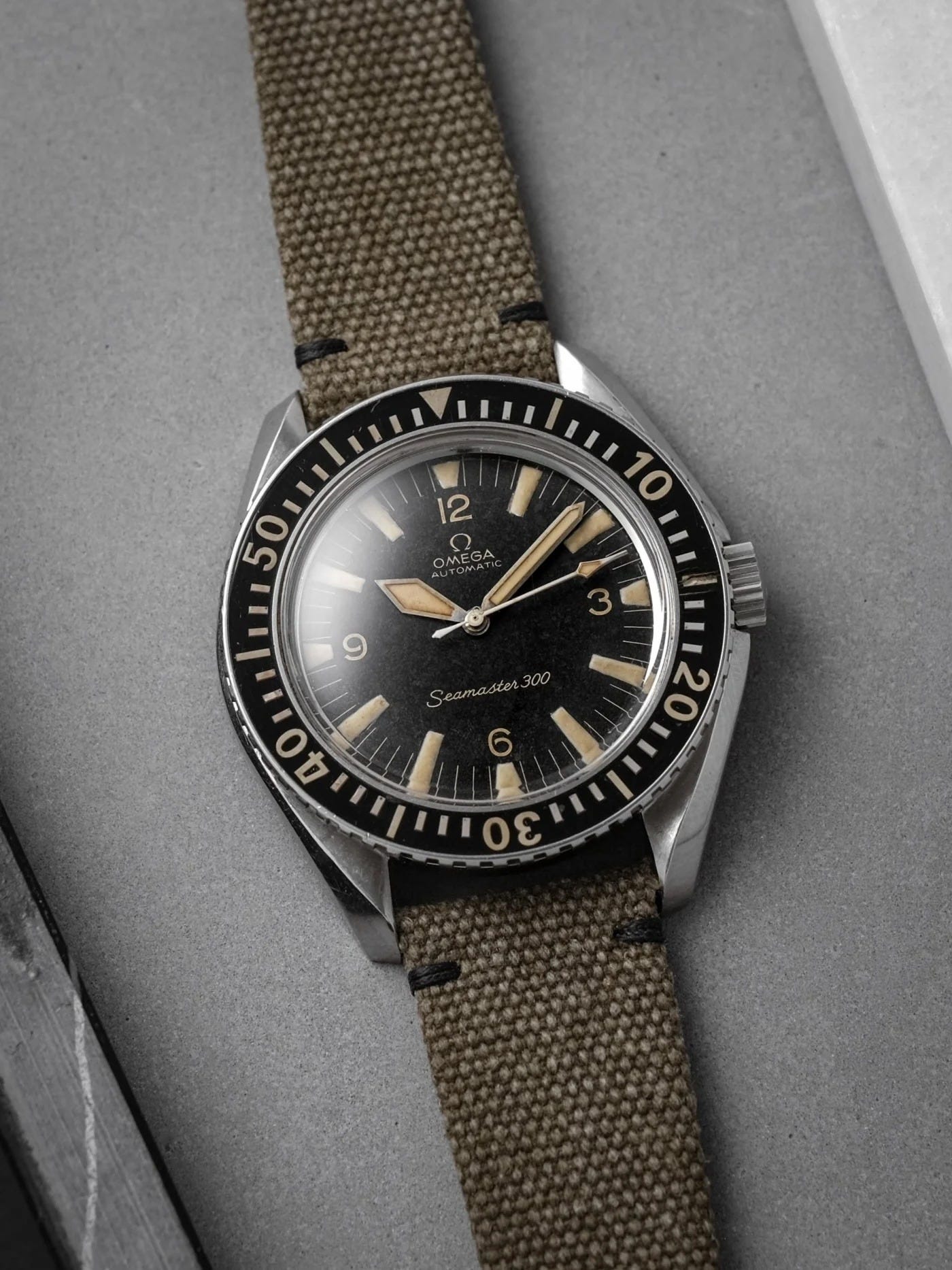
VEBLENIST Panzer Green Canvas Watch Strap
Love this newsletter issue? Do you have feedback or an idea for a story? Let us know in the link HERE!
It was a joy to read such a lovely interview this morning, you can really feel his passion. Enjoying the Despatch with a Costa Rican Coffee, rather than a glass of 🍷